How to Specify a Laser Welding Cell: A Buyer Checklist
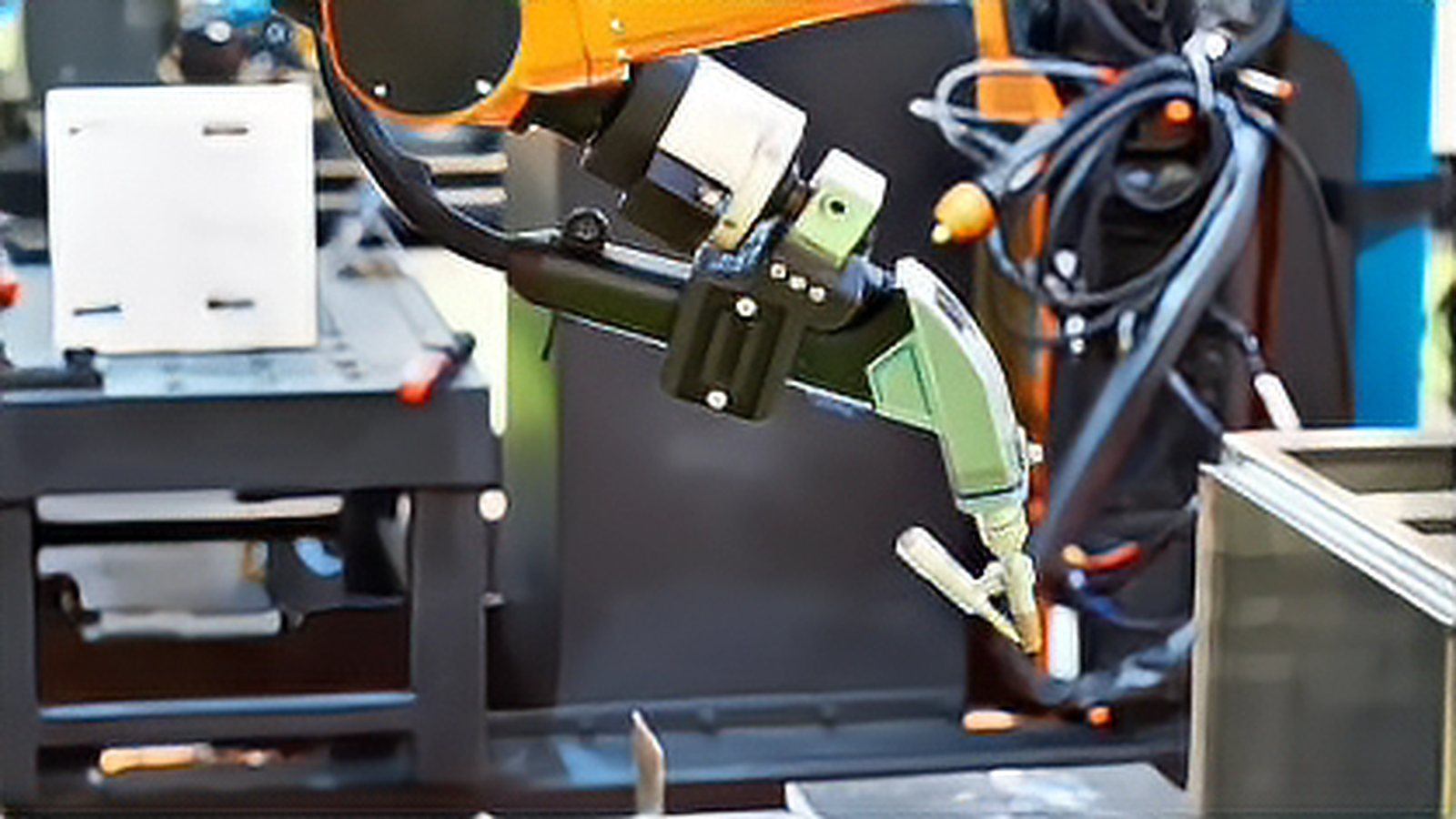
A laser welding cell specification should make two outcomes impossible, which are buying a machine that cannot hold the joint and accepting a machine that was never tested against the production part. Most disappointing installations trace back to a document that described a laser source and a robot instead of describing the weld, the part flow and the evidence of acceptance. This checklist follows the order in which the requirements usually firm up, starting with the joint, moving through the optical budget and the motion system, and ending with the acceptance test and documentation package that closes the purchase.
Describe the Joint Before the Laser
Write the weld down in terms a welding engineer can check. Record the base materials and their condition, the thickness range, the joint type and the maximum gap the process must tolerate without filler. State the required penetration, the cross section that defines an acceptable weld and the rules for surface appearance. Note whether the weld is structural, whether it must be leak tight and how much distortion the assembly can absorb before the next operation fails. Fit up and part to part variation deserve more attention than nominal dimensions, because the cell is bought to handle the worst case and will be judged on it. Ask the supplier to weld coupons made from production material with the actual coating or lubricant, since a clean test piece can flatter a process that fails on real stock.
Fix the Optical Budget at the Workpiece
The number that matters is power at the workpiece, not power at the source. Specify delivered power, the delivery fiber core diameter and length, the spot diameter at the work plane, the depth of focus and the working distance. Beam parameter product, often called beam quality, determines how small the spot can be at a given distance, and it is the parameter that separates a source suited to thin sheet from one suited to deep penetration. Decide whether the process needs continuous wave or modulated output, whether a scanner or a fixed head steers the beam and how shielding gas is delivered. Then require a power measurement at the focus as part of acceptance, because connectors, splices and long fibers all take a share of the energy before it reaches the part.
Specify Motion, Positioning and Cycle Time
Motion requirements come from the part rather than from a preferred brand of robot. State the working envelope, the number of axes, and the positioning accuracy and repeatability the joint tolerance actually demands, along with the approach and retract paths around the fixture. Define the takt time, the parts per shift and the loading method. Add the changeover time the production plan needs, because a fast machine that takes half a shift to retool is not fast. If the joint moves between the drawing and the fixture, ask for seam finding with laser triangulation or vision and specify how the offset is corrected and by whom. Also agree who writes the programs, who owns them and how offline programming is calibrated against the real cell.
Cover Integration, Safety and Data
The integration list is where budgets are usually lost. Confirm the safety concept and the performance level required for each safety function, the floor space including maintenance access, fume extraction, compressed air, electrical supply and cooling. Define the interface to the plant network, commonly OPC UA for machine data, and the traceability records the quality system expects, including per part weld data if the process requires it. Ask how alarms are presented, what diagnostics are available without a service call, and whether remote support can reach the controller without exposing the rest of the network. Every item on this list is inexpensive during quotation and expensive after the purchase order.
Agree the Acceptance Test in Writing
Acceptance is where a specification either has teeth or does not. Ask for a first article inspection with weld cross sections at agreed positions and an agreed acceptance level, followed by a production trial of a defined duration and part count. Measure cycle time on production parts rather than on a demonstration cycle, and record the values that come out. Require calibration records for the optics and the motion system, a spare parts list with lead times, a defined number of training hours and a documentation package containing drawings, schematics, software backups and the safety validation report. Write the punch list process into the contract, together with the warranty terms and a guaranteed response time for breakdowns.
If you take one habit from this checklist, take the acceptance test and write it before you write the purchase order. A supplier willing to sign up to cross sections, a production trial and a punch list behaves differently from one who prefers a demonstration at the factory. Keep the specification open long enough to include the maintenance and operations people, because they are the ones who will live with the decision.
Comments (0)
No comments yet.
Sign in to join the discussion.