Laser Welding
How the laser welding process behaves on real materials: weldability, joint design, oscillation, safety and process selection.
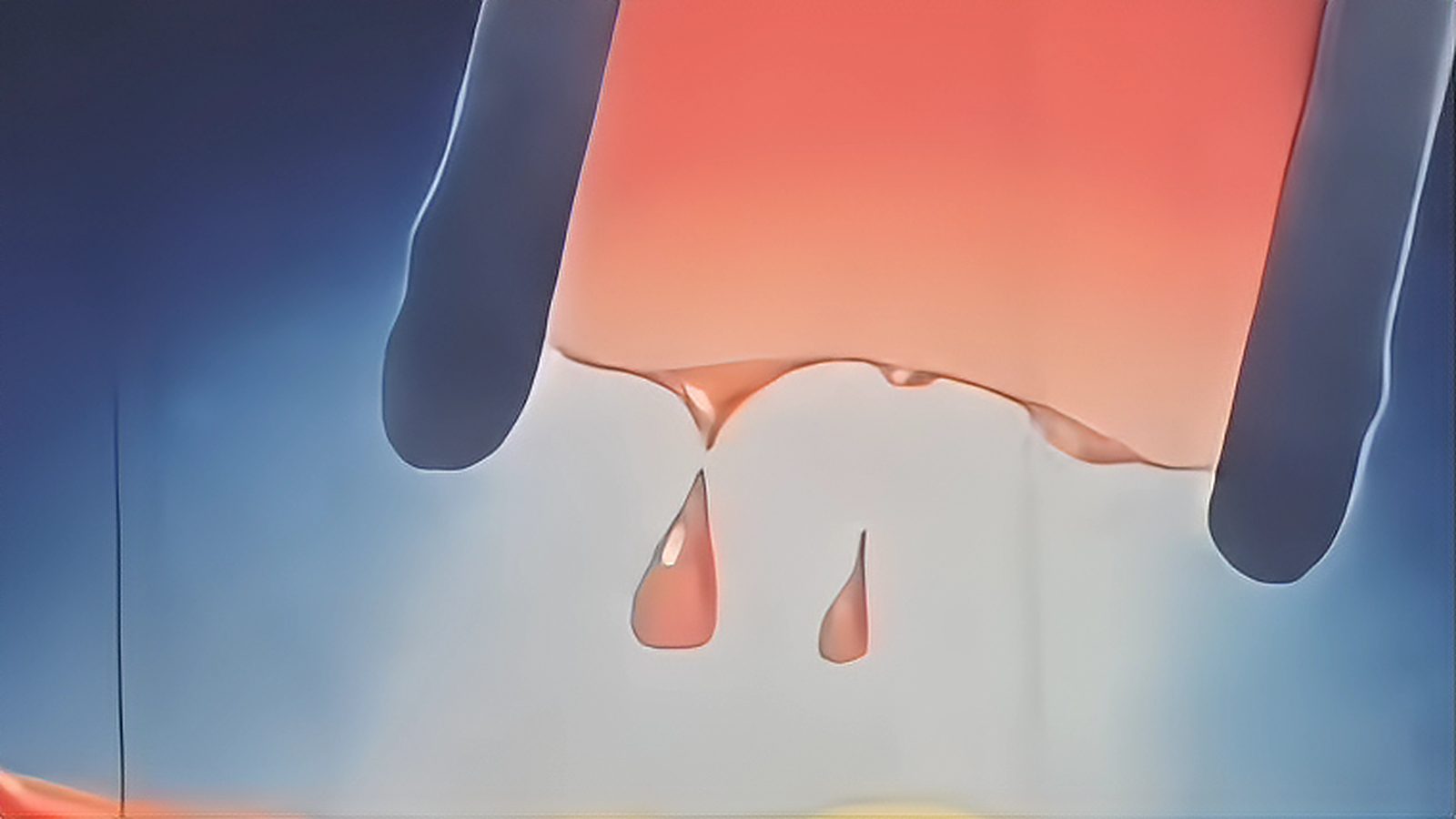
Laser Welding Titanium: Atmosphere Control and Colour Inspection
Titanium is rarely hard to weld because the laser lacks power; it is hard because titanium is chemically aggressive…
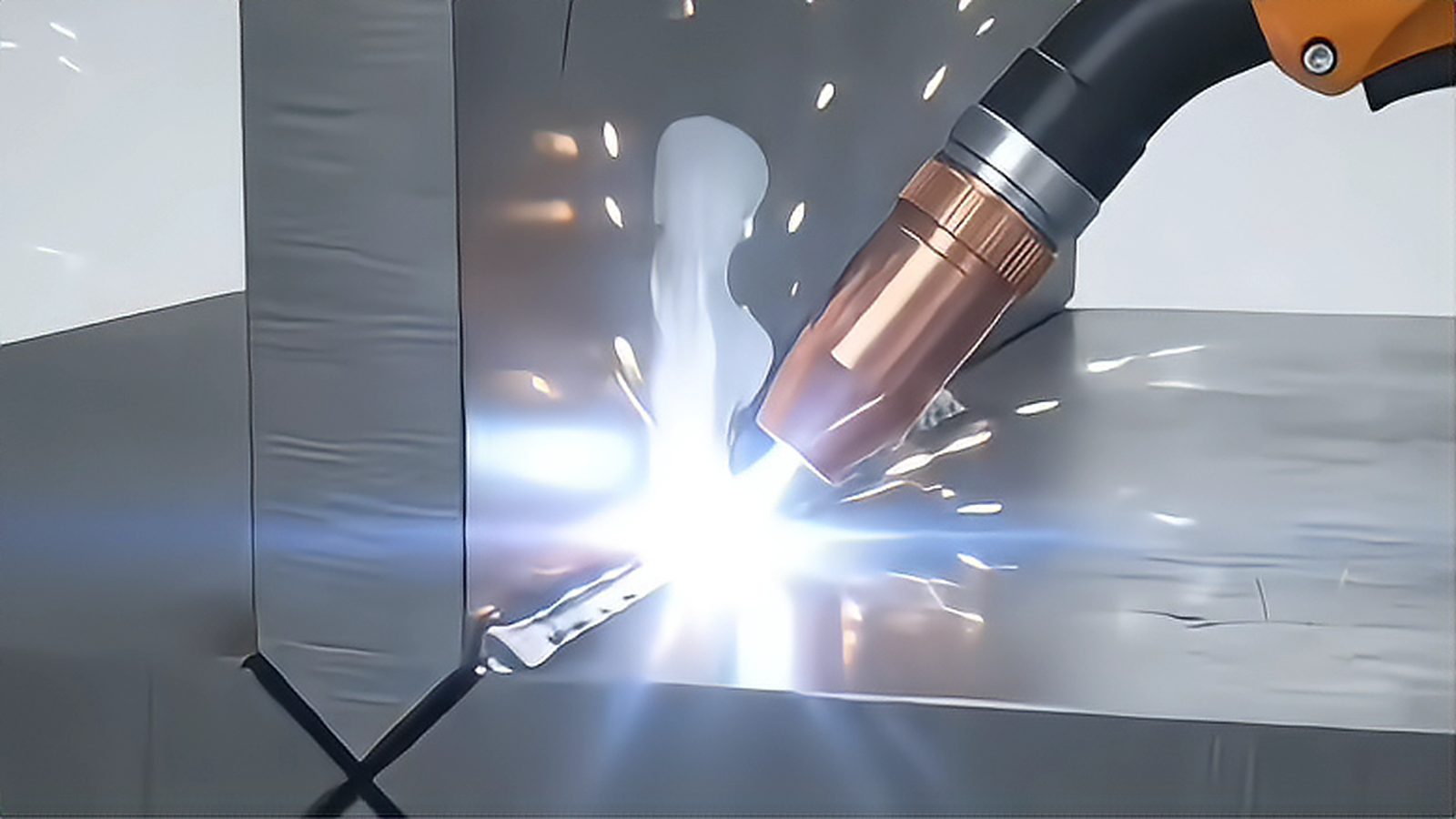
Laser Welding Carbon Steel: Chemistry, Thickness and Process Windows
Carbon steel is the material most laser welding procedures are built around. The process window is broad, coupling is…
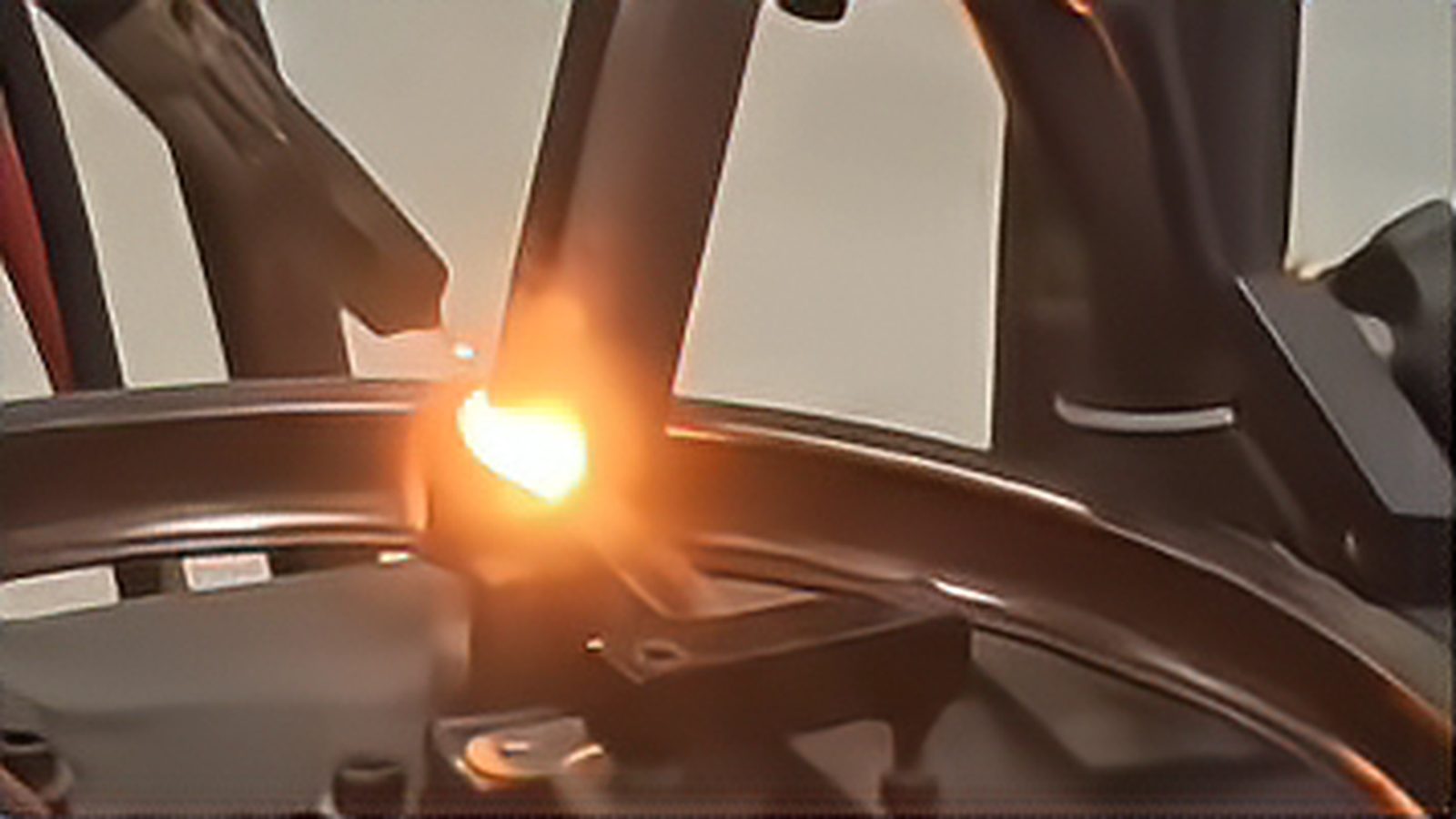
Laser Welding Stainless Steel: Grades, Ferrite Balance and Cracking Risk
Stainless steel is often called easy to laser weld, and in some ways it is, because the process is well established…
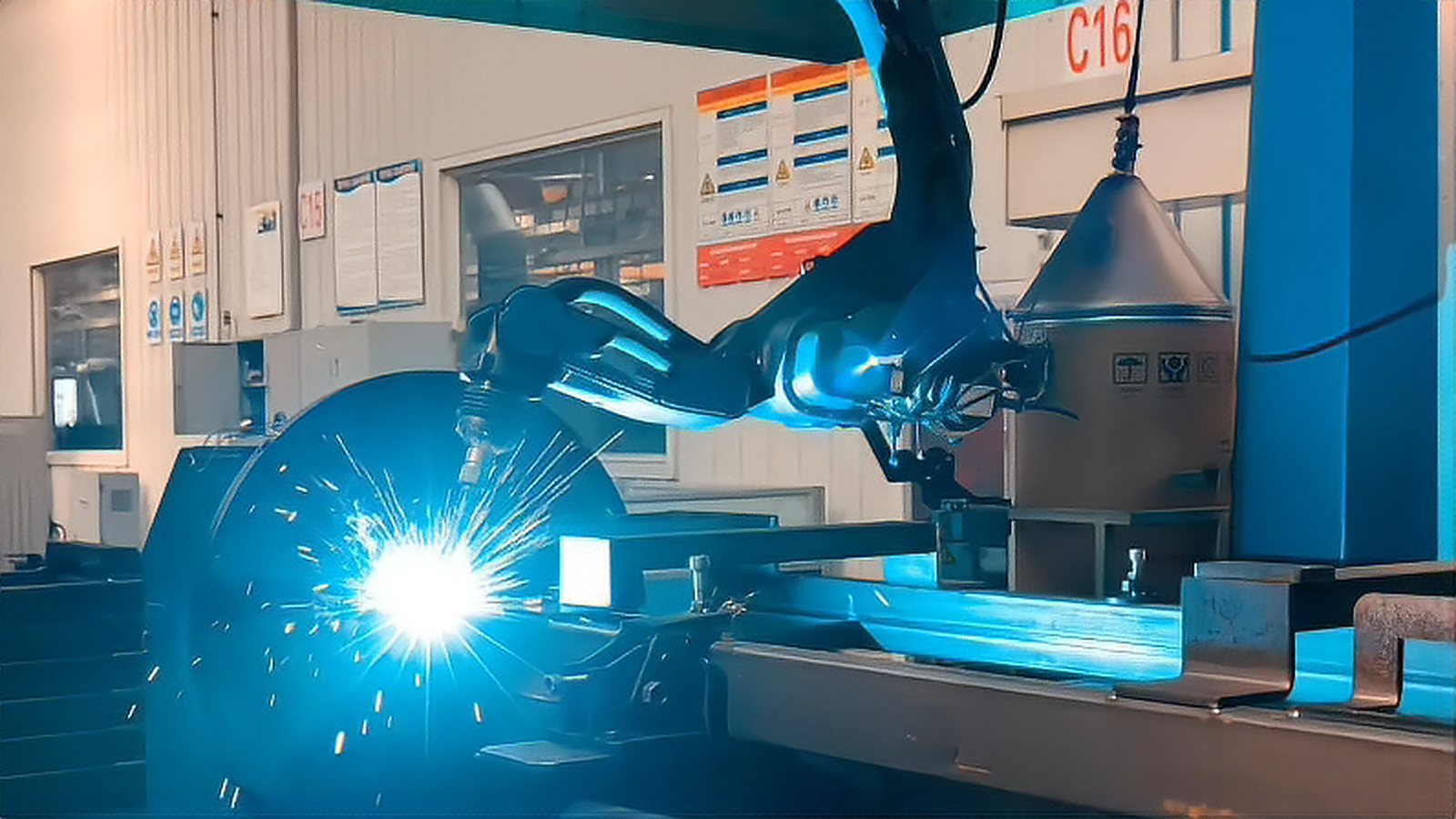
Laser Welding Safety: Enclosure, Eyewear and Interlocks
Laser welding safety is not a paperwork task that begins after the cell is commissioned, and treating it that way is…
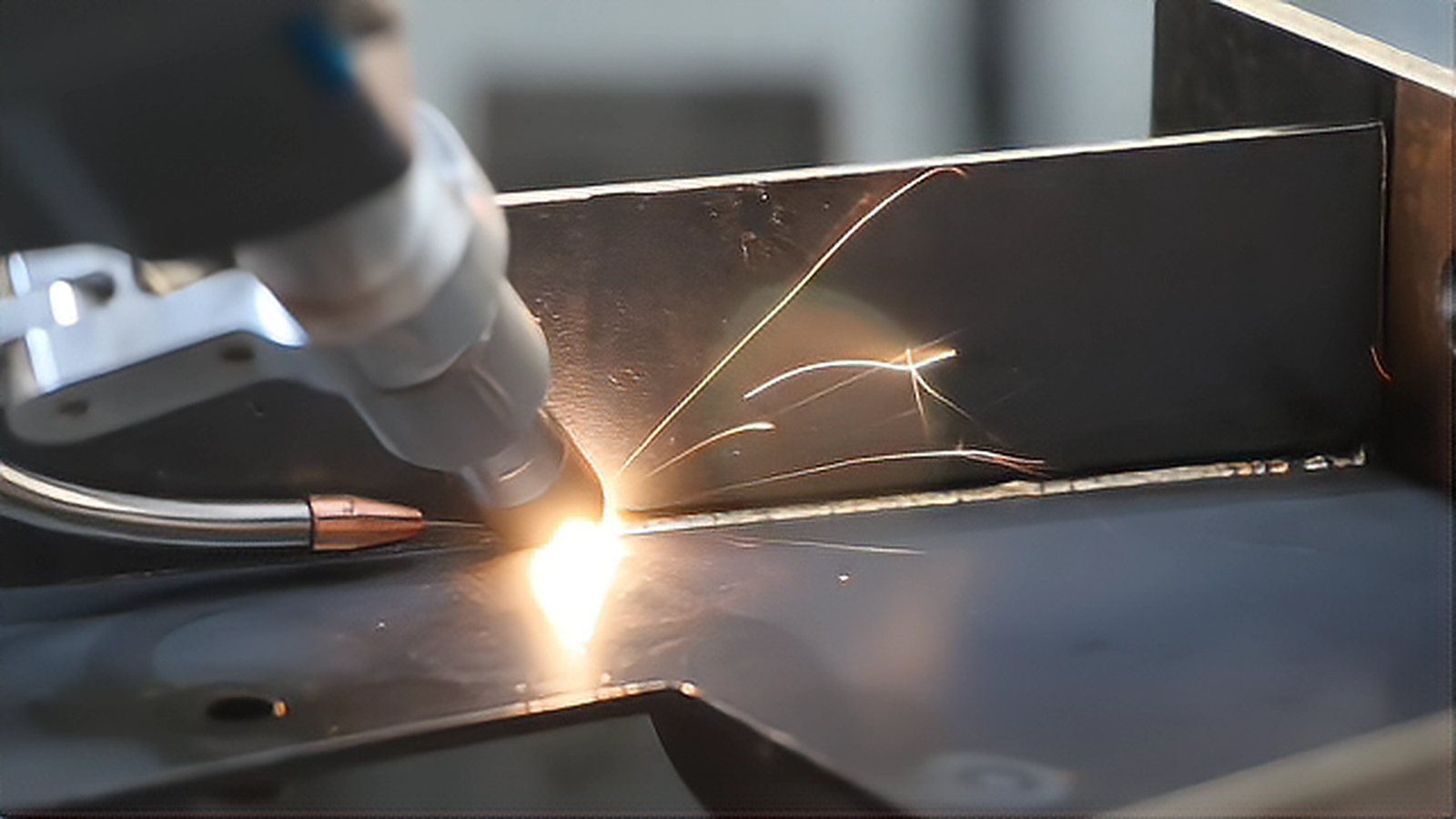
Wobble Welding: When Beam Oscillation Helps
Wobble laser welding sweeps the focused beam through a small repeating pattern while the part or the optics travel…
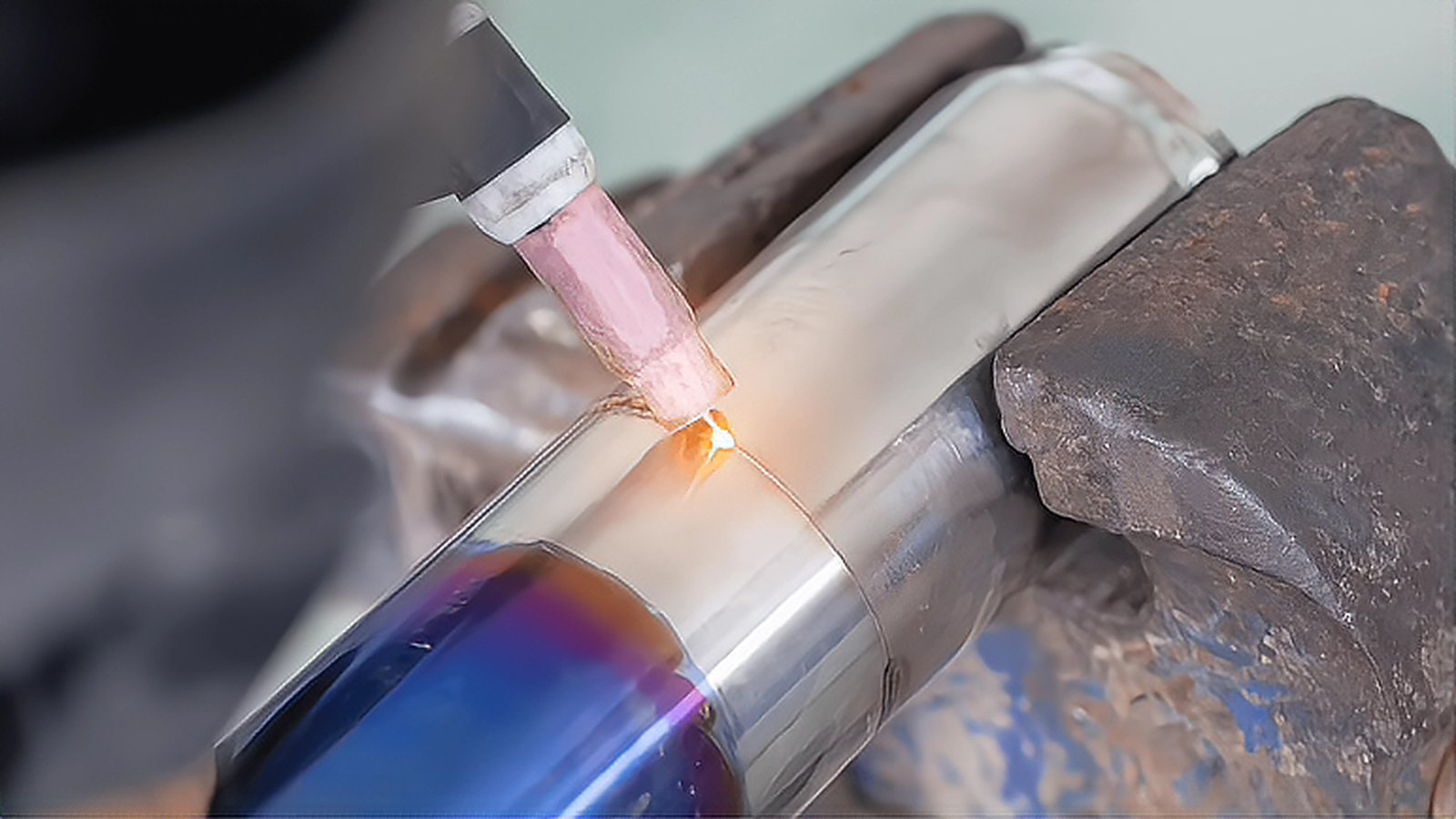
Laser Welding Copper and Aluminum for EV Battery Packs
Copper laser welding sets the pace of a battery pack line, because busbars, foil tabs and motor hairpins are the…
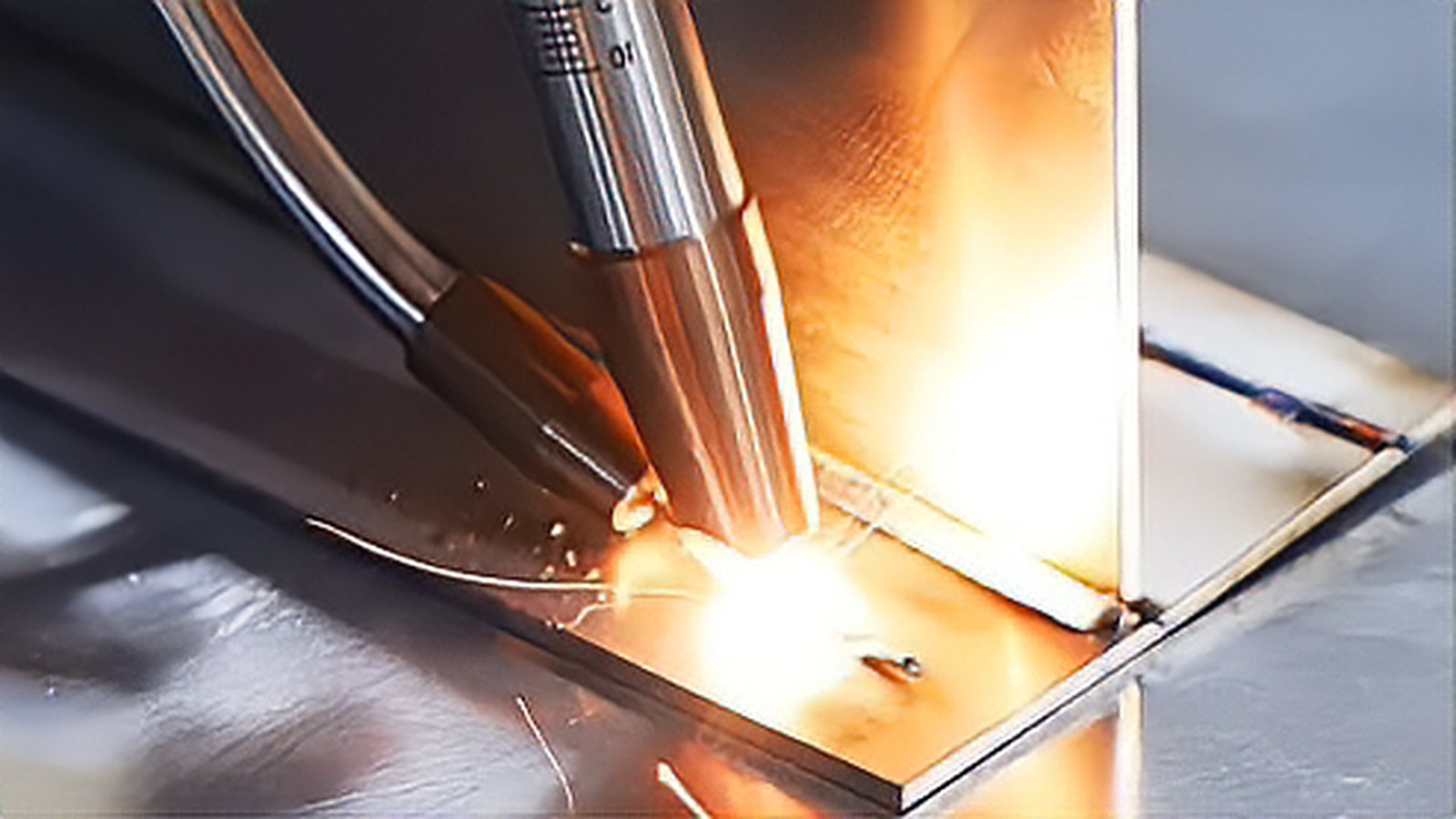
Laser Cladding and Additive Repair with Robots
A laser cladding robot is not a welding machine that happens to run slower. It is a repair tool that rebuilds a worn…