Shielding Gas for Fiber Laser Welding: Argon Helium and Nitrogen Compared
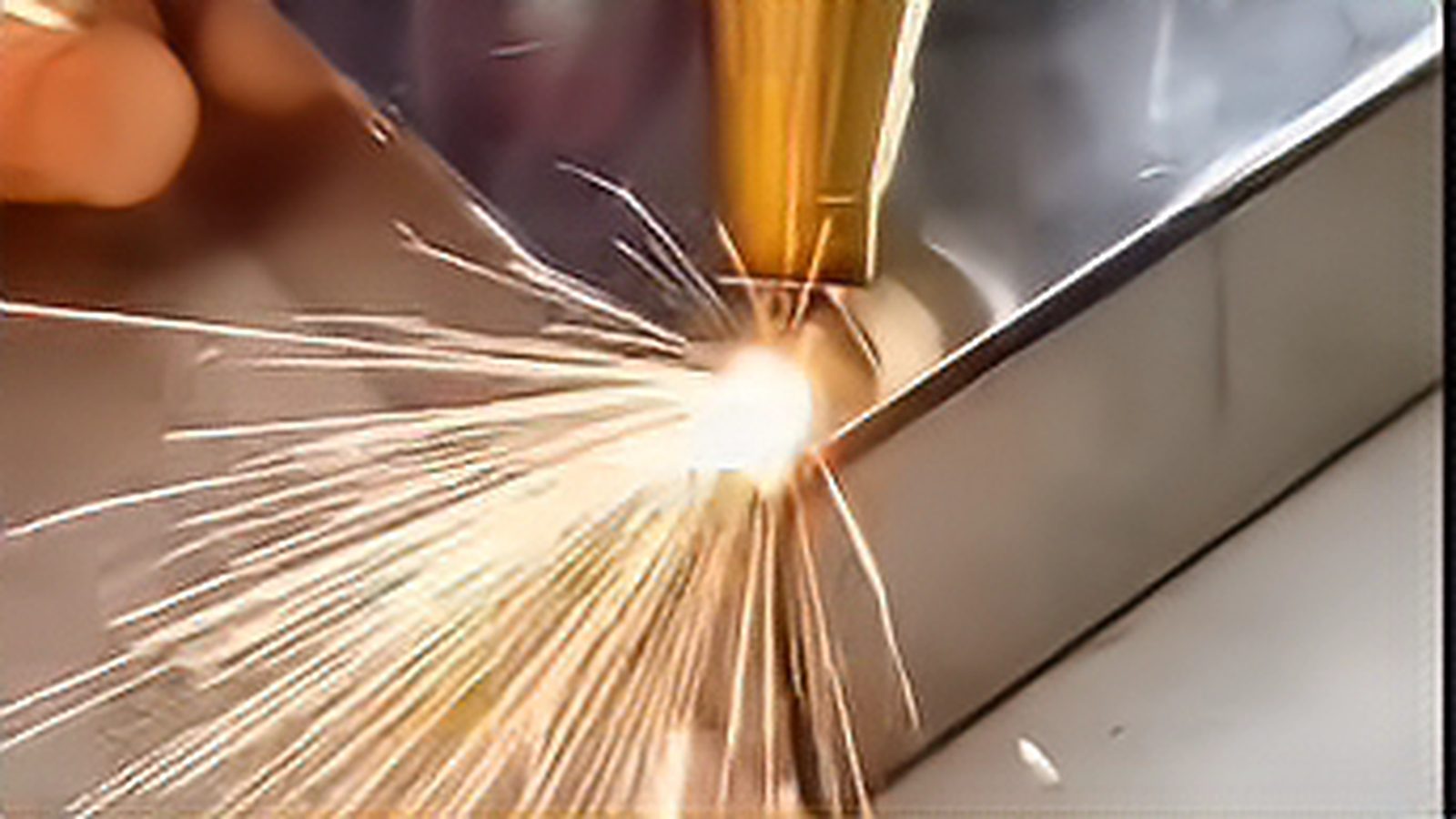
Choosing the right shielding gas laser welding setup is the single most overlooked decision after power and speed, yet it directly determines porosity, bead color, penetration depth and consumable cost. This article compares argon, helium and nitrogen for fiber laser welding, explains the physical properties that make each gas behave differently at the melt pool, and tells you when a single gas is sufficient and when a dual gas arrangement pays for itself.
Why Ionization Energy and Density Matter at the Keyhole
Two physical properties separate these gases more than price. The first is ionization energy, the energy needed to strip an electron from an atom. Argon sits at roughly 15.8 electron volts, nitrogen at about 15.6, and helium at 24.6, which is the highest of any element. At laser powers above roughly 6 kW, the metal vapor above the keyhole gets hot enough to form a plasma plume, and a gas with low ionization energy ionizes readily, absorbs and scatters the beam, and reduces penetration. Helium resists ionization, keeps the plume transparent, and lets the full beam reach the workpiece. The second property is density. Argon is heavier than air, so it settles over the weld pool and blankets it even at modest flow rates. Helium is far lighter than air, so it tends to rise and disperse, which means you need higher flow and tighter enclosure to get the same coverage.
Argon as the Default Choice
Argon is the gas most fiber laser welding cells run on, and for good reason. Its density gives reliable pool coverage with a standard coaxial nozzle at flow rates that typically fall between 15 and 25 liters per minute depending on nozzle diameter and joint geometry. At moderate powers, up to about 4 to 6 kW for steel welding, the plasma plume is not severe enough to rob significant energy, so the cost penalty of helium buys no visible improvement. Argon is also chemically inert, which means it works across carbon steel, stainless steel, titanium and aluminum without reacting with the melt pool. For the majority of general purpose welding jobs, argon at the right flow rate with a clean nozzle is all the protection the weld needs.
Helium When the Plume Becomes the Problem
Helium earns its cost when power climbs high enough that the plasma plume starts absorbing the beam, which in common practice means above 6 to 8 kW on steel, or at any power on highly reflective materials like copper where stable keyhole formation is difficult. Switching to helium at these powers restores penetration and stabilizes the keyhole, because the plume stays cooler and more transparent. The penalty is roughly five to ten times the cost per cubic meter compared to argon, plus the need for higher flow rates and better gas containment because helium rises away from the pool. Some shops run a helium argon mixture, commonly 50/50 or 70/30 helium to argon, which balances plume suppression with pool coverage and moderates cost. Pure helium is usually reserved for the most demanding high power applications where any plume absorption is unacceptable.
Nitrogen Where It Works and Where It Fails
Nitrogen is the cheapest of the three and it can produce sound welds on austenitic stainless steel, where nitrogen acts as an austenite stabilizer and can even improve pitting resistance in the weld metal. For 304 and 316 grades, nitrogen shielding at similar flow rates to argon is an accepted practice in many shops, and it produces clean beads at a fraction of the argon cost. However, nitrogen must not be used on materials where it forms nitrides or causes embrittlement. Titanium welds under nitrogen become brittle and crack, aluminum welds suffer porosity and nitride inclusions, and duplex stainless steels can shift their ferrite austenite balance in undesirable ways. Carbon steel welds under nitrogen are generally acceptable but may carry slightly higher porosity risk than argon in practice. When in doubt, test a coupon and section it before committing to nitrogen on a new alloy.
Dual Gas Arrangements
A dual gas system uses one gas directed at the melt pool and a second gas directed at the keyhole or plume. The most common arrangement is argon coaxial with the beam for pool coverage and helium fed through a side nozzle aimed at the plume, which gives full plasma suppression without running pure helium through the main line. Another approach runs nitrogen on the top surface for cost savings and argon as a root purge on the back of the weld, preventing oxidation where the beam exits. Dual gas adds hardware complexity, a second regulator and flow control, and more setup time per job, so it is worth specifying only when a single gas cannot meet the quality requirement. The decision should come from sectioned coupons, not from convention.
Start by welding your most common joint with argon at a moderate flow rate, then section the coupon and measure porosity and penetration. If the weld is sound and the power is below 6 kW, there is no reason to add helium. Reserve nitrogen for austenitic stainless applications where you have verified it by cross section, and never use it on titanium or aluminum. When a high power job shows shallow penetration despite adequate power, test a helium argon mixture before buying a larger source.
Comments (0)
No comments yet.
Sign in to join the discussion.