Laser Additive Manufacturing with Directed Energy Deposition
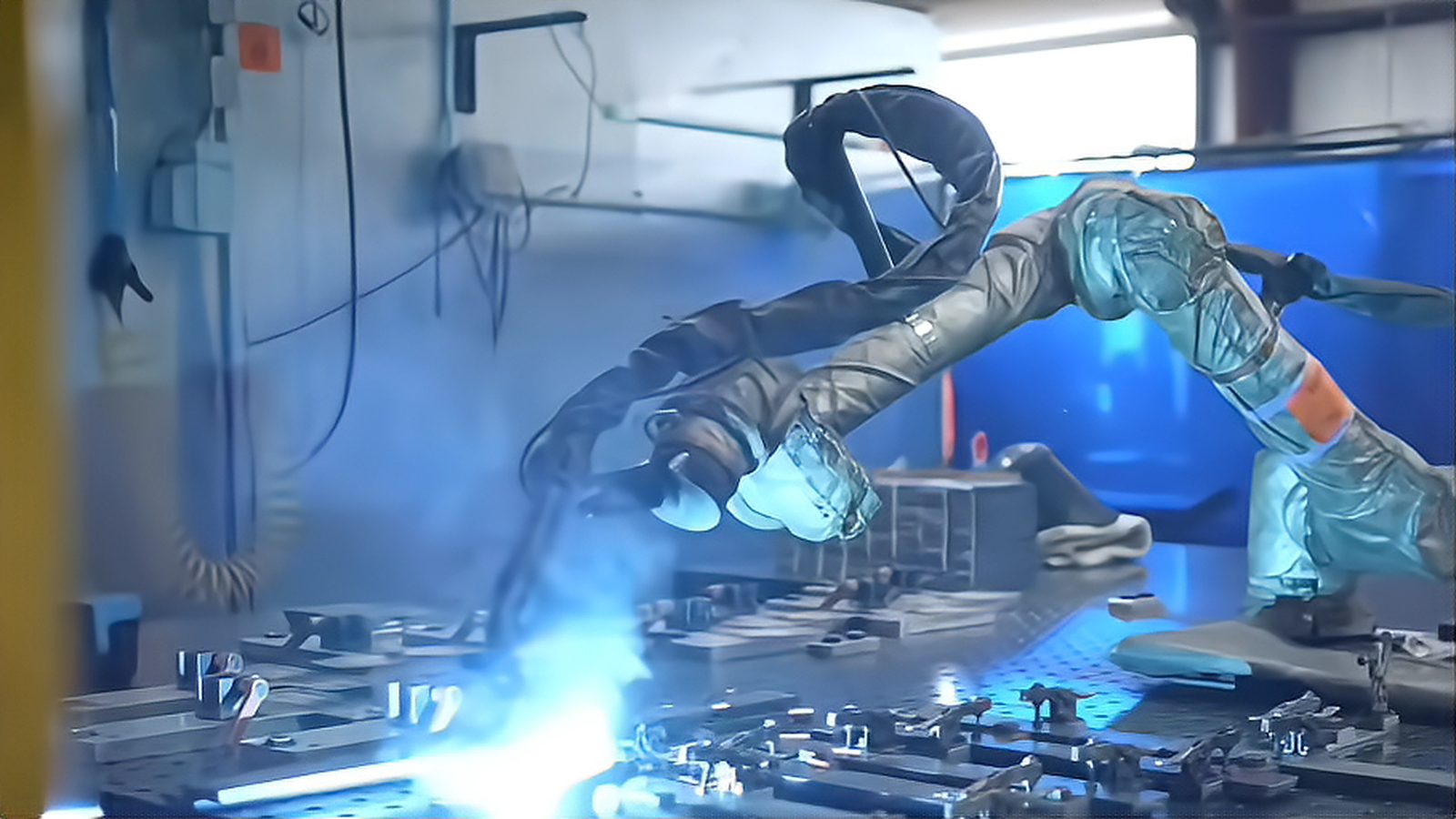
Laser directed energy deposition, or DED, builds or rebuilds metal parts by feeding filler into a laser melt pool that the moving head traces across a surface, and it sits between cladding and powder bed fusion as a process that trades resolution for deposition rate. The filler is powder or wire, the beam is usually a fiber or diode laser in the 500 watt to 4 kilowatt range, and the deposit is laid track by track on a substrate. This article explains where DED wins against powder bed fusion, how the choice between powder and wire is made, why dilution control is the variable that makes or breaks a repair, what multi material deposition adds, and where the technology fits on a turbine blade tip or a mining shovel tooth. The guidance covers blown powder and wire fed heads in the 1 to 10 kilogram per hour deposition range.
DED Versus Powder Bed Fusion
Powder bed fusion builds a part one thin layer at a time inside a bed of powder, and its strength is geometric complexity and dimensional accuracy on small features. DED deposits metal through a nozzle onto a surface, and its strength is deposition rate and build volume, an order of magnitude above a powder bed machine. The trade is resolution. A DED track is a millimeter or two wide and a few tenths to about a millimeter thick, so the as built surface is rough and the part needs machining, while a powder bed part can run closer to net shape. DED therefore suits large components, repair, and features where machining is expected anyway, and powder bed suits small complex parts where finishing cost is the limiting factor.
Powder or Wire Feeding
Powder is fed coaxially or off axis into the melt pool and offers a wide alloy range, fine control of deposit thickness, and the ability to blend or change composition during a build, which is why it dominates multi material work. Its weakness is catchment, because not all the powder reaches the pool, and capture efficiency for a coaxial nozzle commonly falls between 60 and 90 percent, so the unused powder must be collected and the overspray managed. Wire feeds the pool directly and converts nearly all of the feed into deposit, which raises the deposition rate and avoids the powder handling burden, but the wire limits the alloy range to what is drawn, produces a thicker and less precise track, and is harder to start and stop cleanly. A common rule is wire for large build up and powder for thin, precise, or composition varied deposits. A DED system is a Class 4 laser installation, and the metal powder and vapor it generates need local extraction alongside the enclosure and eyewear, with controls in the OSHA laser hazards guidance (https://www.osha.gov/laser-hazards).
Dilution and the Bond for Repair
Dilution is the fraction of the deposit that comes from the substrate rather than the filler, and on a repair it decides whether the restored part behaves like the original. Too much dilution and the base metal dilutes the deposit chemistry, softening a hardfacing alloy or weakening a corrosion layer, while too little and the deposit sits as a mechanical contact that lifts in service. Common practice keeps dilution in the low single digits to about ten percent for wear and corrosion layers, by tuning power, speed, and feed together so a thin layer of substrate melts alongside the filler. The bond is metallurgical when that thin melt forms, and it is verified by cross section, dye penetrant, or ultrasonic testing on a witness coupon. Heat input drives distortion and cracking too, so preheat for tool steels and high carbon grades, balance the sequence around the axis on long shafts, and control the interpass temperature.
Multi Material Deposition
Multi material deposition is the capability that sets DED apart from most additive processes, because the nozzle can switch or blend fillers during a build and lay down a gradient from one alloy to another. A hardfacing grade can transition into a tough substrate alloy across a few millimeters, a copper alloy can sit on a steel base, and a wear resistant edge can graduate into a ductile core. The design effort is in the gradient and the metallurgy, because incompatible elements form brittle intermetallics and a bad gradient turns into a delamination plane, so the transition path and the thermal cycle are part of the qualification. This is where powder pays for its catchment loss, since a powder head with multiple hoppers can change composition mid build while a wire head cannot.
Where the Process Earns Its Place
The typical applications are repair and large or low volume parts rather than mass production. Turbine blade tip repair restores the seal tip of a high alloy blade with a matched alloy deposit, mining equipment refurbishment rebuilds shovel teeth and crusher mantles with a wear resistant grade, and oil and gas components such as valve seats and drill stems are restored to dimension with a bond that holds under service load. New build applications include large structural parts where machining the whole part from billet wastes too much material, and functionally graded components where one region needs toughness and another needs wear or corrosion resistance. In every case the value is restoring or creating a part that would otherwise be scrapped, at a rate powder bed fusion cannot reach.
Decide between DED and powder bed fusion on deposition rate and part size before you look at the laser, and choose wire or powder on the alloy range and the surface finish you can accept. For a repair, qualify the recipe on a witness coupon and specify the dilution band and the inspection method in the work instruction. For a multi material part, map the gradient and the thermal cycle first, because the metallurgy decides whether the deposit stays on the substrate.
Comments (0)
No comments yet.
Sign in to join the discussion.