Advanced Laser Cutting Techniques for Aerospace Grade Materials
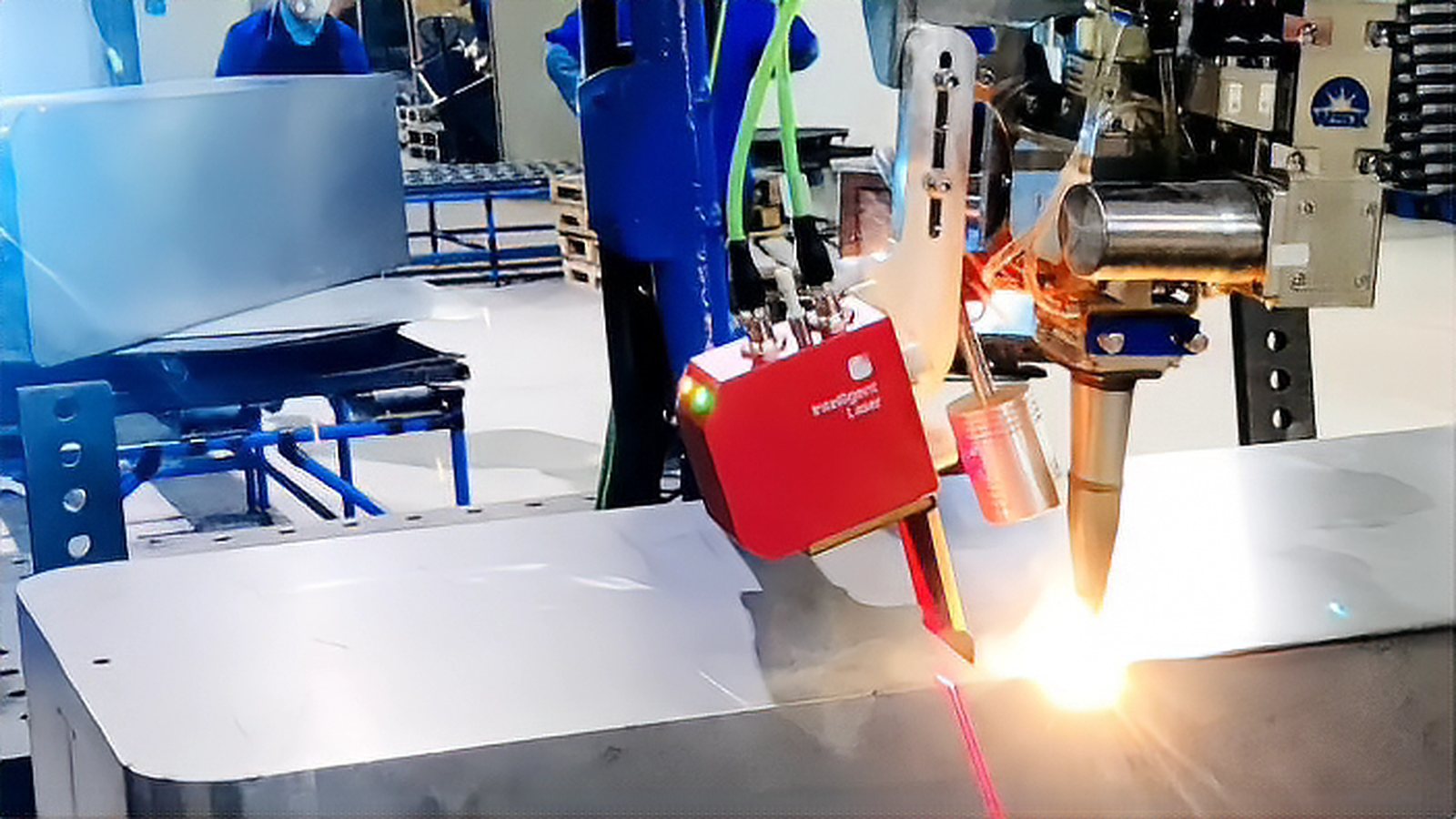
Aerospace laser cutting is judged less by whether the beam separates the material and more by what the cut edge does to the part. Titanium, nickel superalloys, high strength aluminum and carbon fiber composites each respond differently to a thermal cut, and the controlling variables differ accordingly. This article covers the quality framework, the assist gas choices and the material specific failure modes that aerospace shops must plan for.
How cut edge quality is defined
ISO 9013:2017 Thermal cutting — Classification of thermal cuts — Geometrical product specification and quality tolerances is the reference framework. It is the third edition, replaces the 2002 version and sits under ISO/TC 44/SC 8. Its scope defines the thickness range for each process: flame cutting from 3 to 300 mm, plasma cutting from 0.5 to 150 mm and laser cutting from 0.5 to 32 mm. That range is useful because it tells a planner when a laser cut is even in scope and when the part should be routed to another thermal process. Because the same edge condition vocabulary reappears across processes, laser welding defects and their causes is worth reading next to the cutting standard.
ISO 9013 describes a cut face using perpendicularity or angle tolerance u, which for a perpendicular cut is defined against 90 degrees and combines perpendicularity and flatness deviation, the mean height of the profile Rz5 for surface roughness, dross at the bottom edge, top edge melting r, drag and gouging. Each characteristic maps to a different downstream problem: angle deviation and drag affect fitup in an assembly jig, roughness affects fatigue initiation and coating adhesion, dross and top edge melting affect the need for deburring, and gouging signals an unstable cut. Cut quality is then stated as a quality level together with a tolerance class, and an annex lists the quality each thermal process can reach. Those levels and numerical tolerances sit inside the payable standard and are not reproduced here.
Assist gas changes everything
The assist gas is not a detail; it selects a different physical process. The LASERLINE technical handbook describes oxygen cutting as relying on combustion and vaporization where an exothermic reaction supplies extra energy, which lets the beam cut thick and reflective material. The trade off is an oxidized cut edge that interferes with later welding and encourages corrosion, often requiring expensive post-processing. In aerospace assemblies where an edge will be welded or bonded, an oxide layer that must be removed adds a step and a risk that the removal is incomplete.
Inert cutting with nitrogen or argon depends only on laser power to melt the material and on gas kinetic energy to blow it out. There is no exothermic contribution, so the required power is significantly higher. High pressure nitrogen gives an oxide free, burr free edge, but cutting speed must fall noticeably, which is the central cost of choosing a clean edge.
No single gas choice is correct for every part. A thick, reflective section that will not be welded later may be cut with oxygen for depth and speed. A thin section that will be welded or bonded usually needs inert gas so the edge is clean, and the shop accepts the slower cutting speed as the price of avoiding a pickling or brushing step. Remote cutting, where high power density evaporates material and no assist gas is used, removes the gas question entirely but only suits cases where the evaporated kerf is acceptable. The planner should decide the downstream operation first and let that operation decide the gas. TWI frames the same choice three ways: fusion cutting, where an inert gas removes melt and contributes no energy, flame cutting, where oxygen adds an exothermic reaction, and remote cutting, where high power density partly evaporates the material and no assist gas is used. The lesson for source selection is that process gas and beam source must be chosen together, which is why fiber laser versus CO2 comparisons for thick steel are only useful once the gas strategy is fixed.
Cutting titanium alloys
Ti-6Al-4V is the workhorse aerospace titanium and its laser cutting behavior is documented. A 2024 peer reviewed review in Metals, Laser Cutting of Titanium Alloy Plates: A Review of Processing, Microstructure, and Mechanical Properties, examines how input parameters such as power and cutting speed affect the resulting microstructure and mechanical properties. The consistent message is that laser cutting leaves a heat affected zone and a recast layer whose microstructure differs from the parent metal, and that titanium's sensitivity to oxygen makes inert shielding essential.
Both effects matter for different reasons. The recast layer is a thin resolidified skin with different properties from the base, and it can be brittle or chemically different enough to matter. The heat affected zone changes the microstructure below the surface, which on titanium can alter fatigue and corrosion behavior near the edge. Where the recast layer or heat affected zone cannot be tolerated on a fatigue critical edge, the shop must plan a mechanical or chemical edge removal step rather than assume the cut is final.
The review also ties processing inputs to mechanical properties, which is the point for an aerospace edge. The cut is not only a shape; it is a surface that will carry load. A recast layer or heat affected zone left on a fatigue critical edge can change how a crack starts, so the manufacturing plan has to state whether the edge is used as cut or is machined and cleaned after cutting.
Nickel superalloys such as Inconel 718
Inconel 718 resists cutting by retaining strength and conducting heat poorly, so energy accumulates at the edge instead of diffusing away. A peer reviewed study, Water-Jet-Guided Laser Annular Cutting for Hole Making in Inconel 718, notes that conventional laser processing of this alloy produces a recast layer, a heat affected zone and residual molten material, and that water jet guided laser cutting reduces these defects.
The recognized difficulties for aerospace nickel cutting are a comparatively large heat affected zone, microcracks and remelt dross. Because these alloys are often used where they will see high temperature and cyclic loading, an edge that looks clean can still carry microcracks that grow. Any shop processing these alloys should treat edge integrity as a first order acceptance issue and specify the inspection method in the works instruction rather than assume a visual check is enough.
High strength aluminum alloys
The 2xxx and 7xxx families are precipitation strengthened, which is exactly what makes their cut edges sensitive. Under a rapid laser thermal cycle, the edge can develop microcracks and lose strength through overaging or softening, because the heat that cuts the part also dissolves or coarsens the precipitates that give the alloy its strength. Within these families, 7075-T6 and 2024-T3 are more prone to edge microcracking than 6061 and 5052. This is a widely described industry mechanism rather than a published standard or authoritative conclusion, so it should guide process development rather than be quoted as a specification.
Work on joining steel to aluminum faces a related heat input discipline in the bond zone. Practical countermeasures include nitrogen assist gas, controlled heat input and, where the part demands it, fluorescent penetrant inspection carried out to ASTM E1417. Specific cutting speed windows, preheat temperatures and crack depths are not given here because they are not reliably verifiable from open sources.
Carbon fiber reinforced polymer
CFRP fails differently again because it is two materials in one. A peer reviewed study, Experimental Study on Carbon Fiber-Reinforced Composites Cutting with Nanosecond Laser, reports a heat affected zone roughly 140 micrometres wide at the entry edge. A second peer reviewed study, Experimental Investigation on Ablation Behaviors of CFRP Laminates with Continuous Wave Laser, reports that heat affected zone area grows with laser power, decreases through the thickness, and appears alongside delamination.
The underlying mechanism is the large mismatch in thermal properties between the carbon fiber and the epoxy matrix: different thermal conductivity and thermal stability cause the resin to carbonize, producing both the heat affected zone and the delamination that defines the difficulty of laser cutting composites. The fiber carries heat, the matrix cannot, and the result is a boundary where the two separate. A separate picosecond laser study targets parameter optimization to reduce heat affected zone and kerf width, which is the direction most shops take when an acceptable edge cannot be reached with longer pulses, since shorter pulses deposit less heat per unit volume into the matrix. Composite cutting also produces airborne debris, so fume extraction and air quality must be designed for the material being processed.
Qualification and reference documents
Aerospace cutting programs lean on published practices in addition to the ISO framework. AWS C7 is the committee on high energy beam welding and cutting, and its published documents provide laser welding and cutting recommended practices and laser welding procedure specifications; the detailed content is behind the publication paywall, but the documents are the recognized reference set. TWI's job knowledge pages on laser cutting processes give a process level explanation of fusion, flame and remote cutting that helps when writing a work instruction.
Builders specifying a new machine should also use a structured buyer guide approach so gas supply, edge quality targets and inspection method are agreed before the purchase order rather than after first article. The recurring theme across every material in this article is the same: edge quality, not cut speed alone, is what determines whether a laser cut aerospace part is usable, and the acceptance method must be written down before production begins.
Sources and references
- ISO 9013:2017 — Thermal cutting, classification of thermal cuts, geometrical product specification and quality tolerances, source for scope thickness ranges and cut face characteristics View source
- BOC LASERLINE technical handbook — Laser cutting, source for oxygen versus inert assist gas behavior and edge consequences View source
- TWI — Cutting processes, laser cutting, source for fusion, flame and remote cutting definitions View source
- Metals 2024 — Laser Cutting of Titanium Alloy Plates: A Review of Processing, Microstructure, and Mechanical Properties, peer reviewed source on Ti-6Al-4V View source
- Water-Jet-Guided Laser Annular Cutting for Hole Making in Inconel 718 — peer reviewed source on recast layer, heat affected zone and residual melt in conventional laser cutting of nickel superalloys View source
- Experimental Study on Carbon Fiber-Reinforced Composites Cutting with Nanosecond Laser — peer reviewed source on CFRP entry edge heat affected zone width View source
- Experimental Investigation on Ablation Behaviors of CFRP Laminates with Continuous Wave Laser — peer reviewed source on heat affected zone growth with power and delamination View source
- AMME 2022 conference paper — picosecond laser cutting of CFRP parameter optimization to reduce heat affected zone and kerf width View source
- Arcus CNC — Prevent micro cracking in aerospace aluminum, industry technical article on precipitation strengthened aluminum edge behavior View source
- AWS C7 Committee — high energy beam welding and cutting committee page View source
- AWS laser beam welding publications — C7.2M:2010 recommended practices and C7.4/C7.4M:2017 process specification View source
Comments (0)
No comments yet.
Sign in to join the discussion.