All articles
Every published guide on robotic welding, laser welding and welding automation, newest first. 50 articles in total.
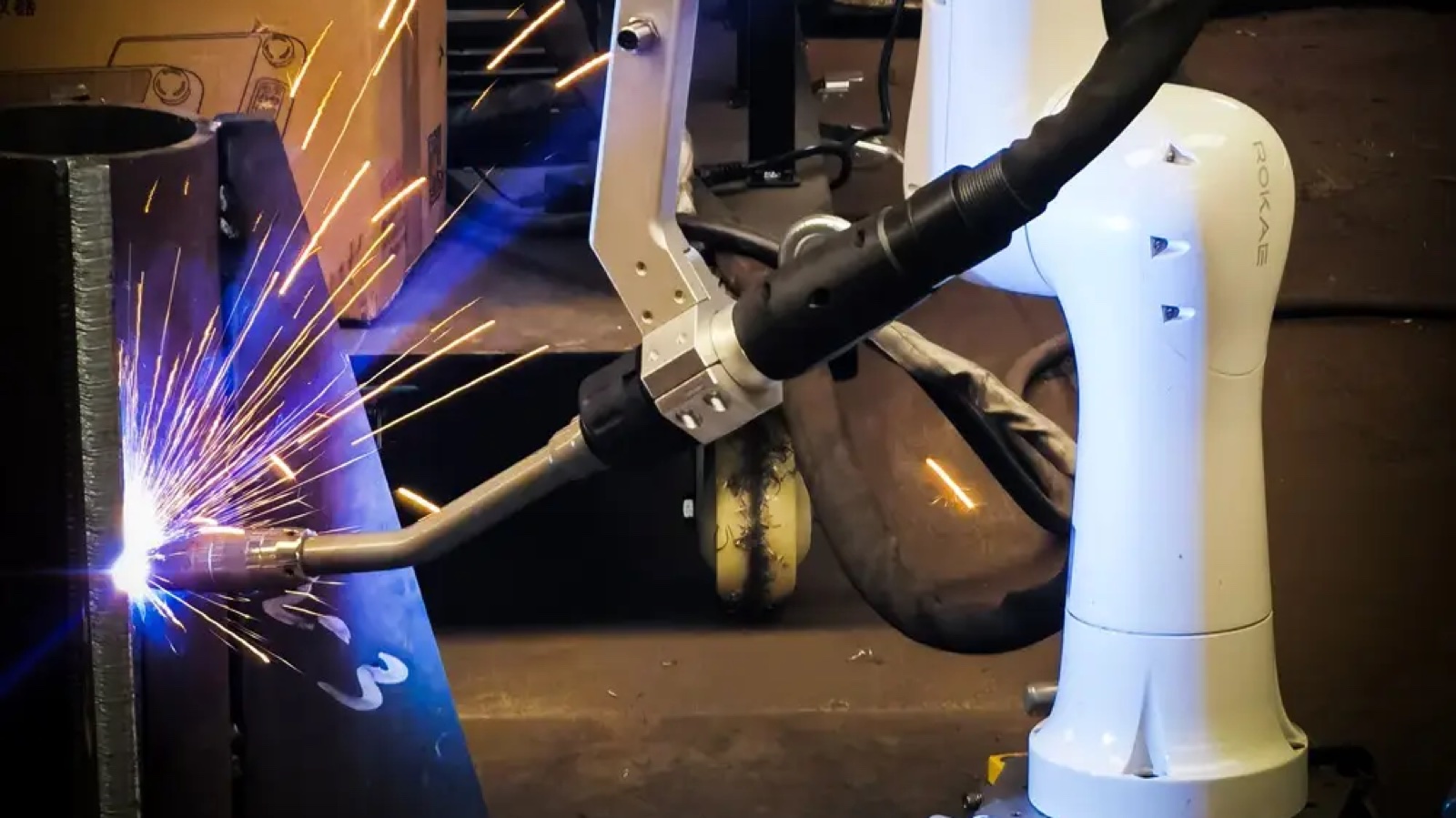
Building a Cobot MIG Welding Cell: A Practical Walkthrough
The picture above shows what a real cobot welding cell actually looks like: a collaborative arm on a bench, a 500 amp…
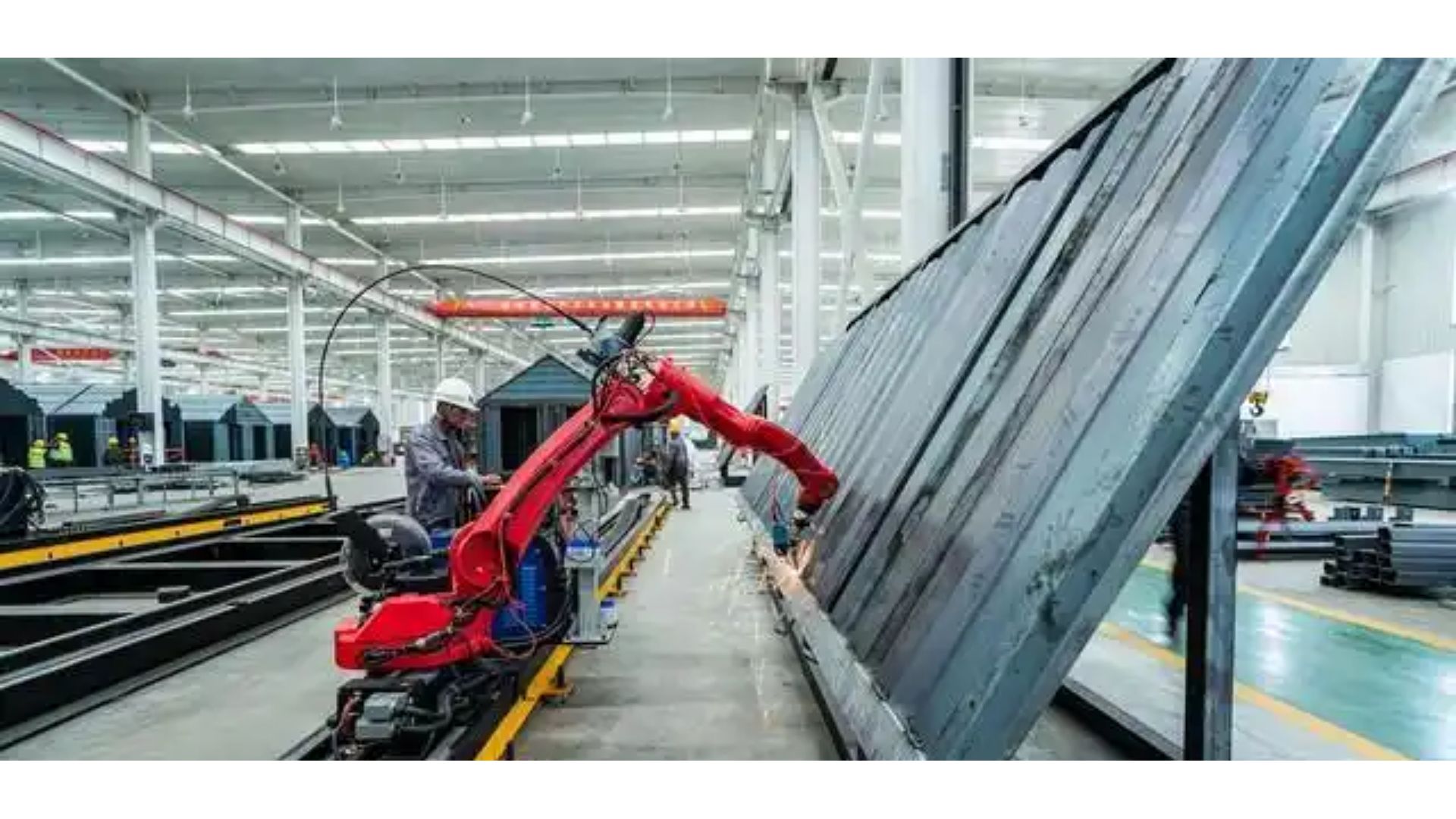
Welding Cobot vs Industrial Robot for Steel Fabrication
Welding cobots have changed who can automate. A small shop can now teach a robot by guiding the arm, without a…
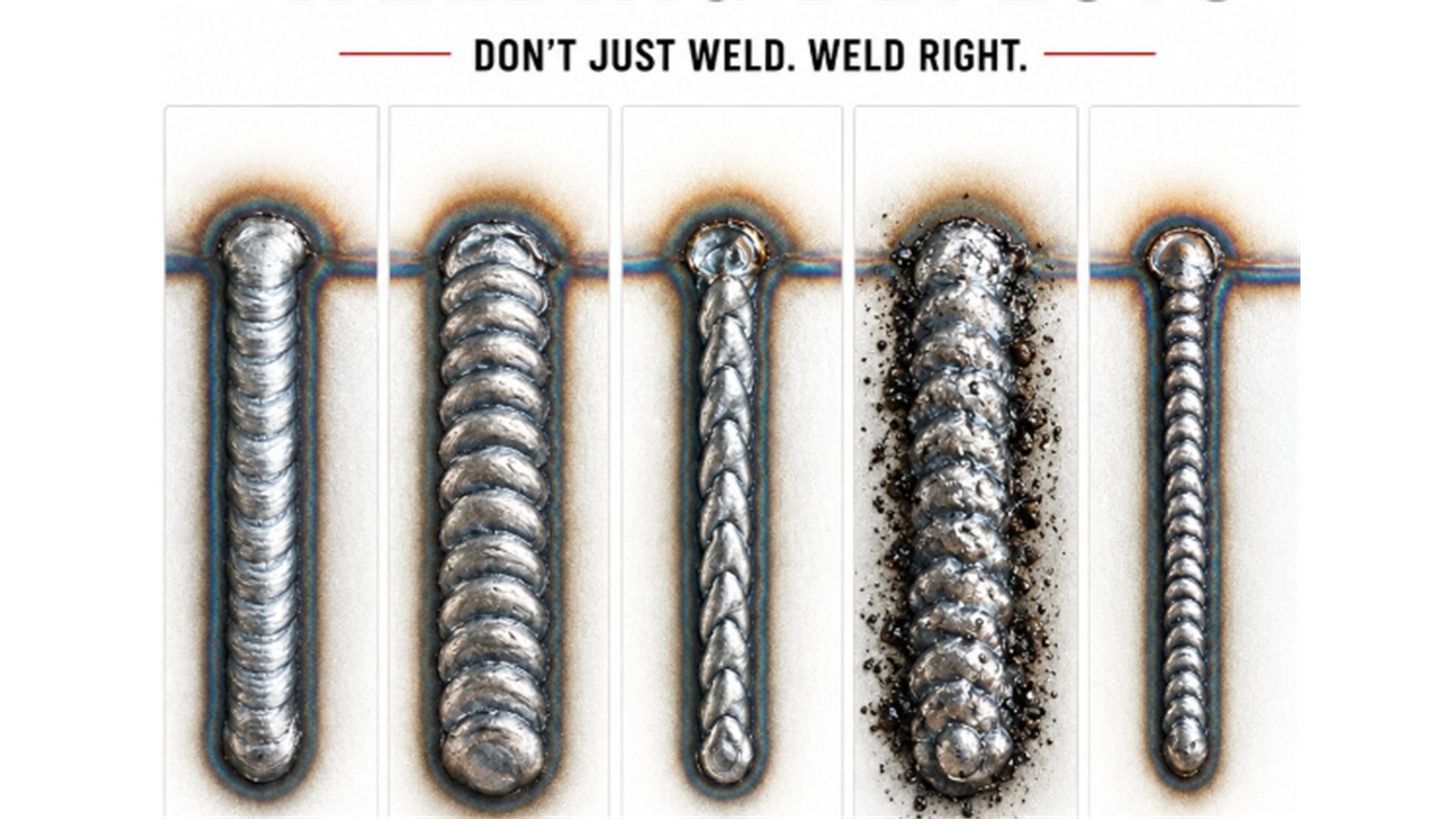
How to Read a Weld Bead: A Visual Guide to Weld Quality
A weld bead is the cheapest inspection report you will ever get. Before you spend money on X-ray, ultrasonic testing…
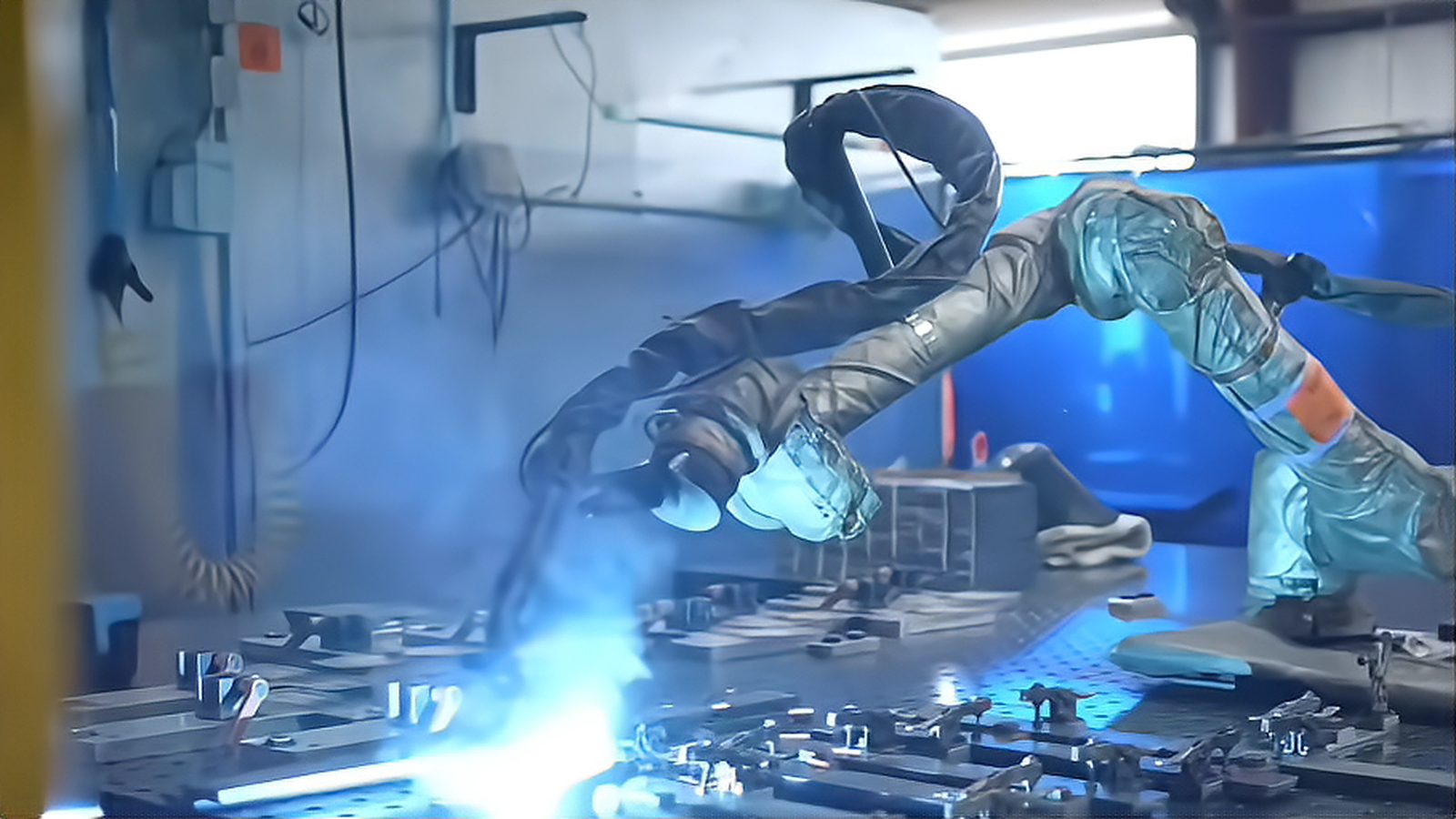
Laser Additive Manufacturing with Directed Energy Deposition
Laser directed energy deposition, or DED, builds or rebuilds metal parts by feeding filler into a laser melt pool…
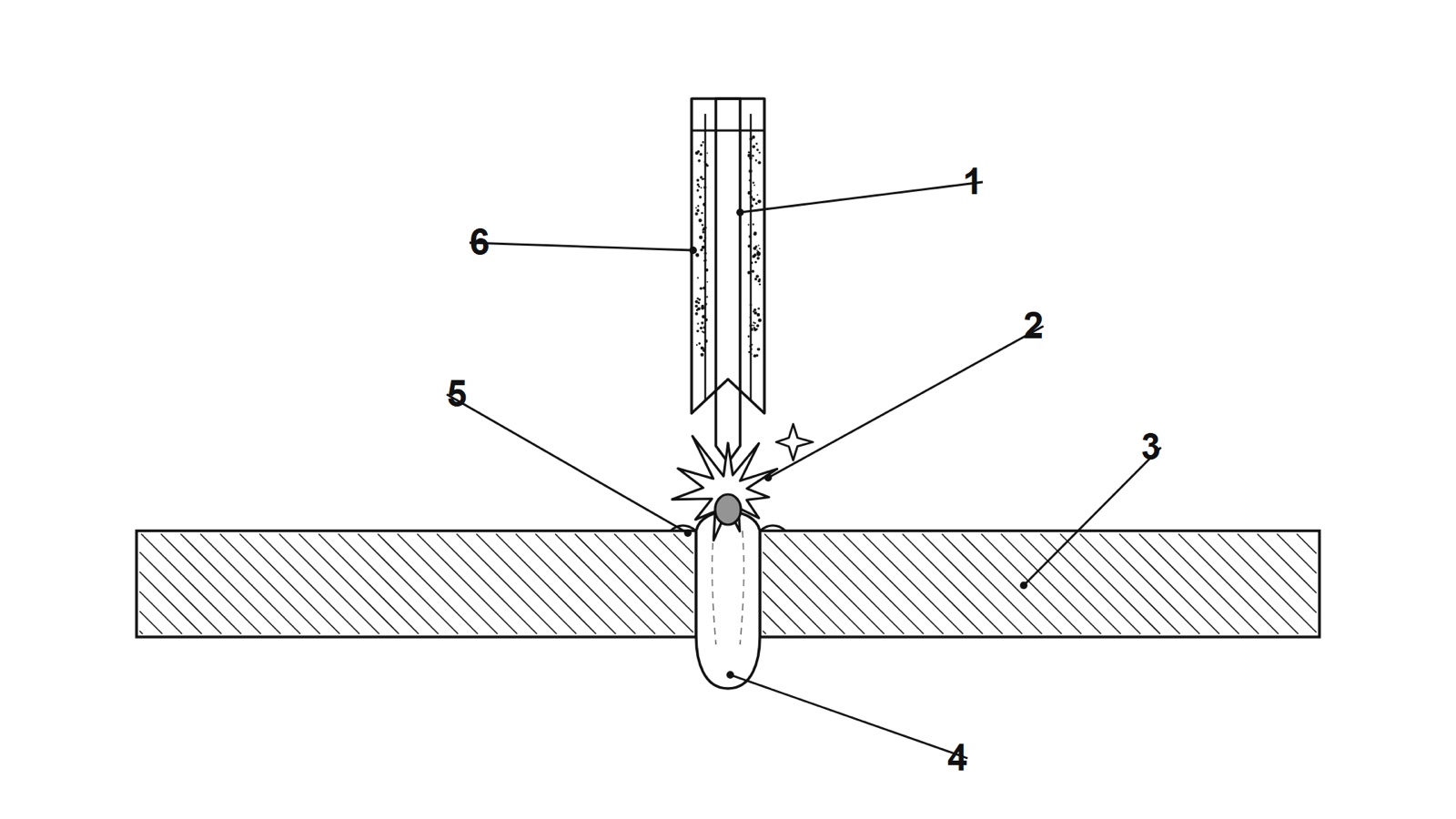
Keyhole Laser Welding Explained: Beam, Plume, Gas and Pool
Key takeaways - The mode switch. Keyhole welding begins when focused intensity is high enough to vaporize metal.…
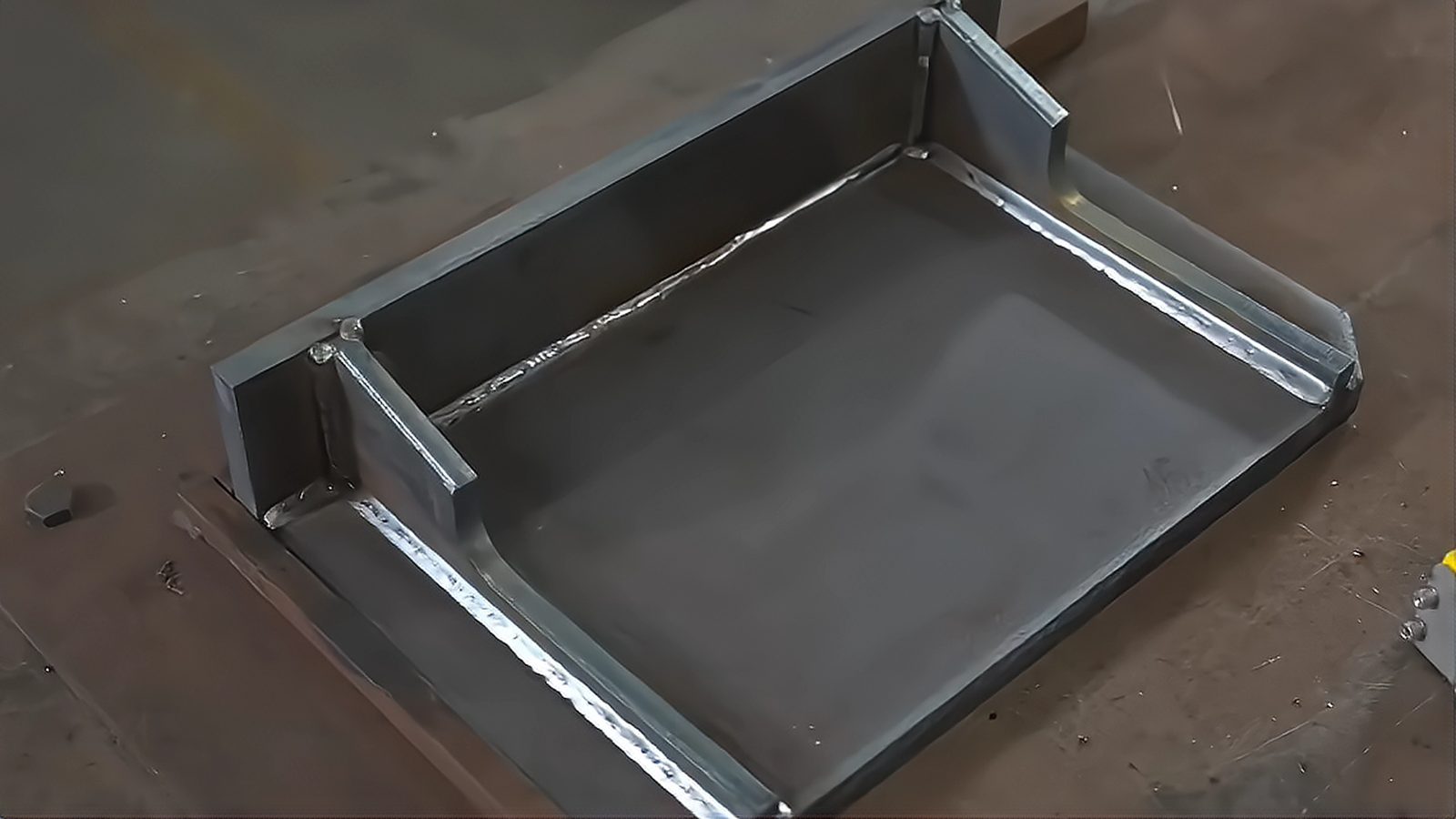
CE Marking for Laser Processing Machines: Essential Steps
CE marking for laser machines is the manufacturer's declaration that the equipment meets the essential health and…
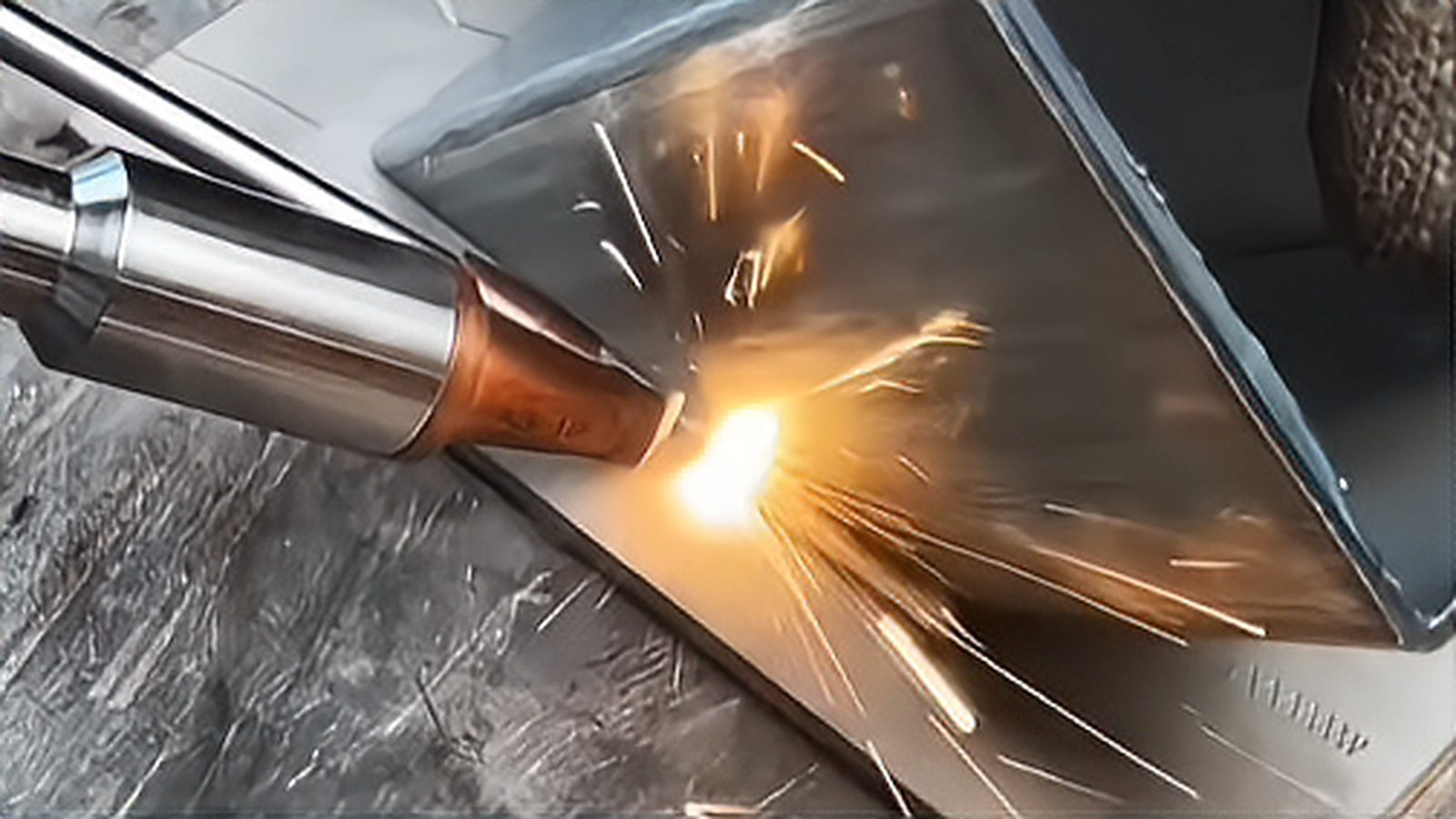
Laser Welding Thin Sheet Metal: Gap Bridging and Fixturing
Laser welding thin sheet metal in the 0.3 to 1 mm range demands a level of joint preparation and fixturing precision…
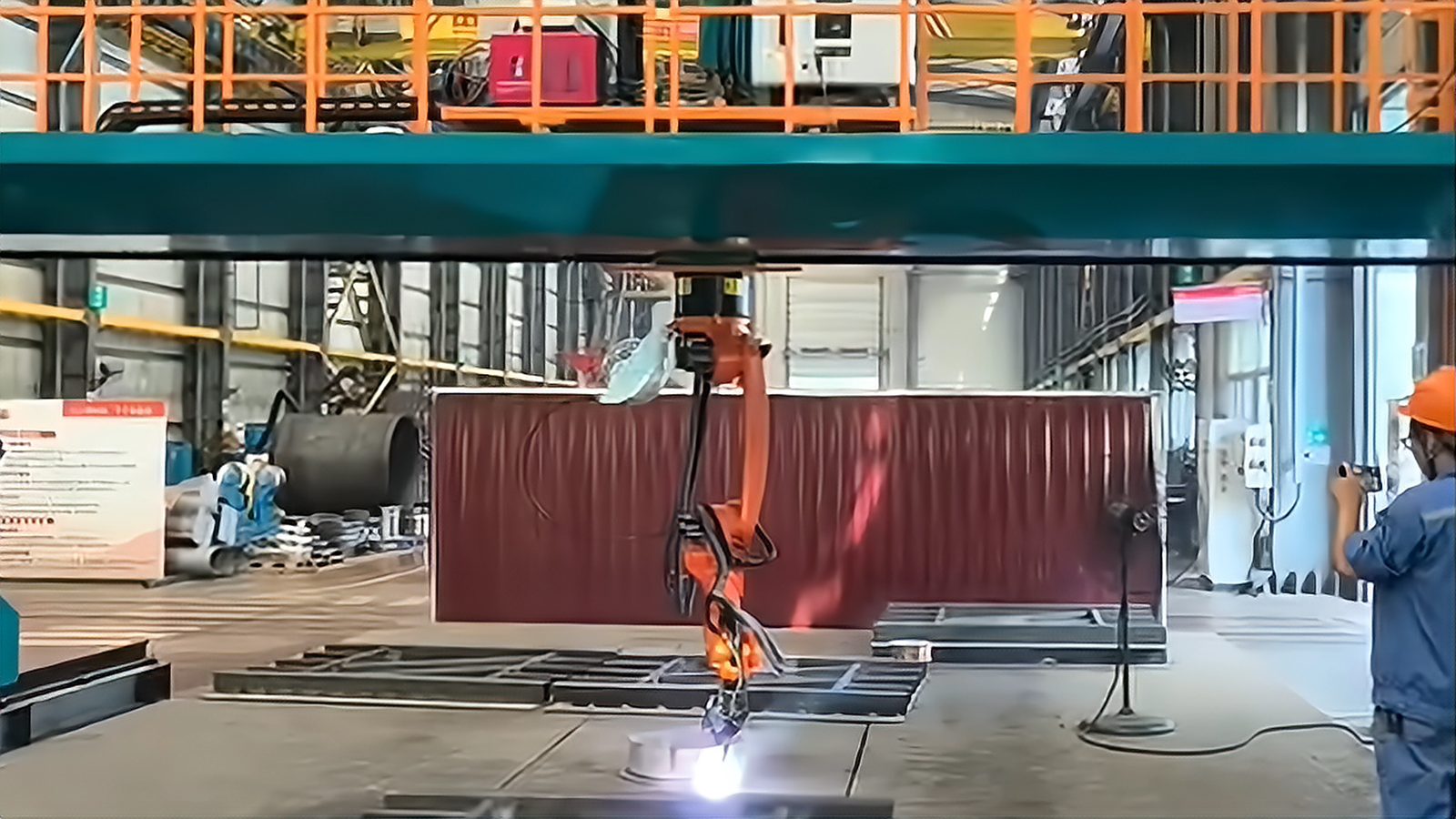
Pulse vs Continuous Wave Laser Welding: Choosing the Mode
The choice between pulse vs CW laser welding mode changes everything about how heat enters the workpiece, from the…
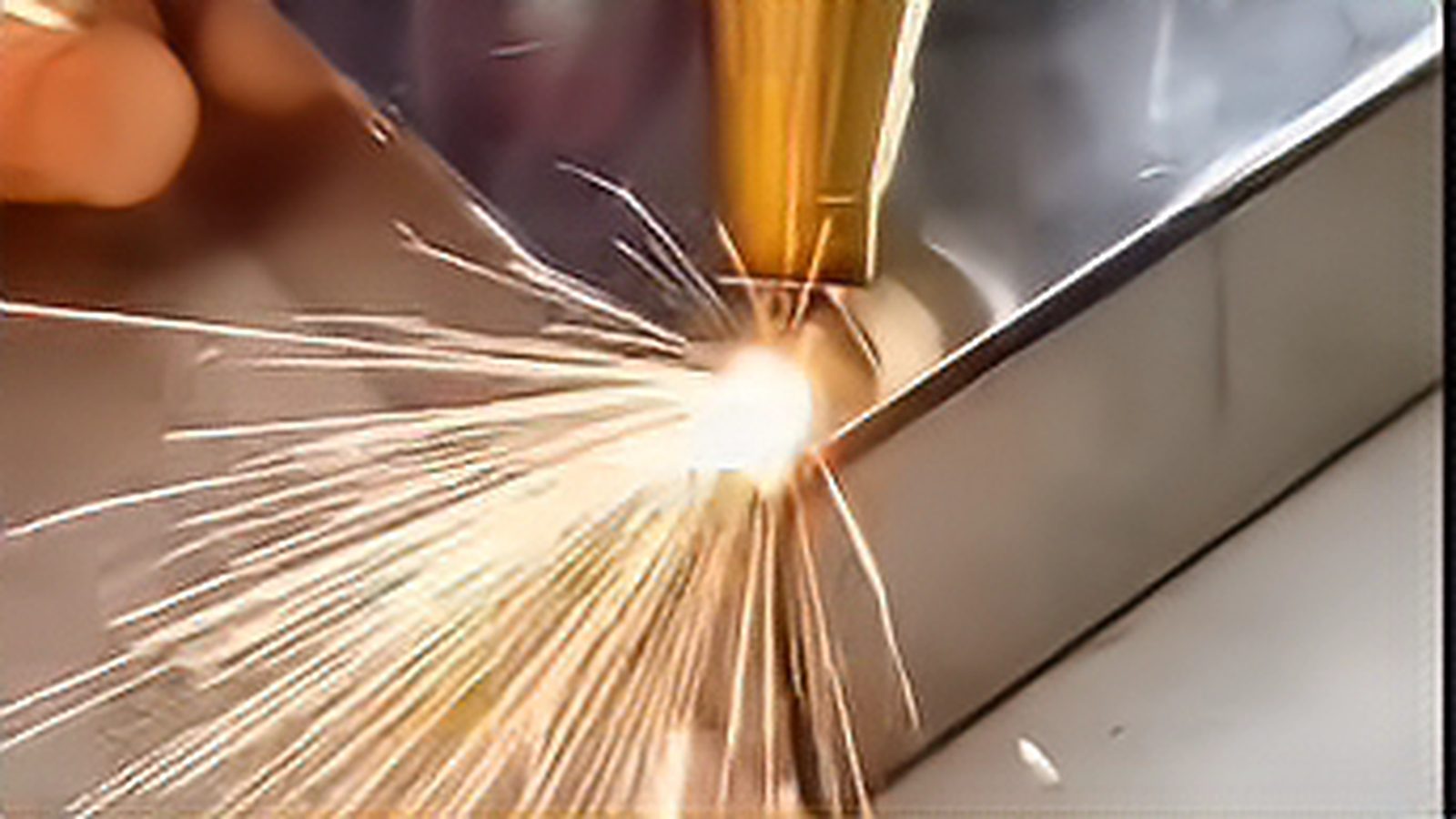
Shielding Gas for Fiber Laser Welding: Argon Helium and Nitrogen Compared
Choosing the right shielding gas laser welding setup is the single most overlooked decision after power and speed,…
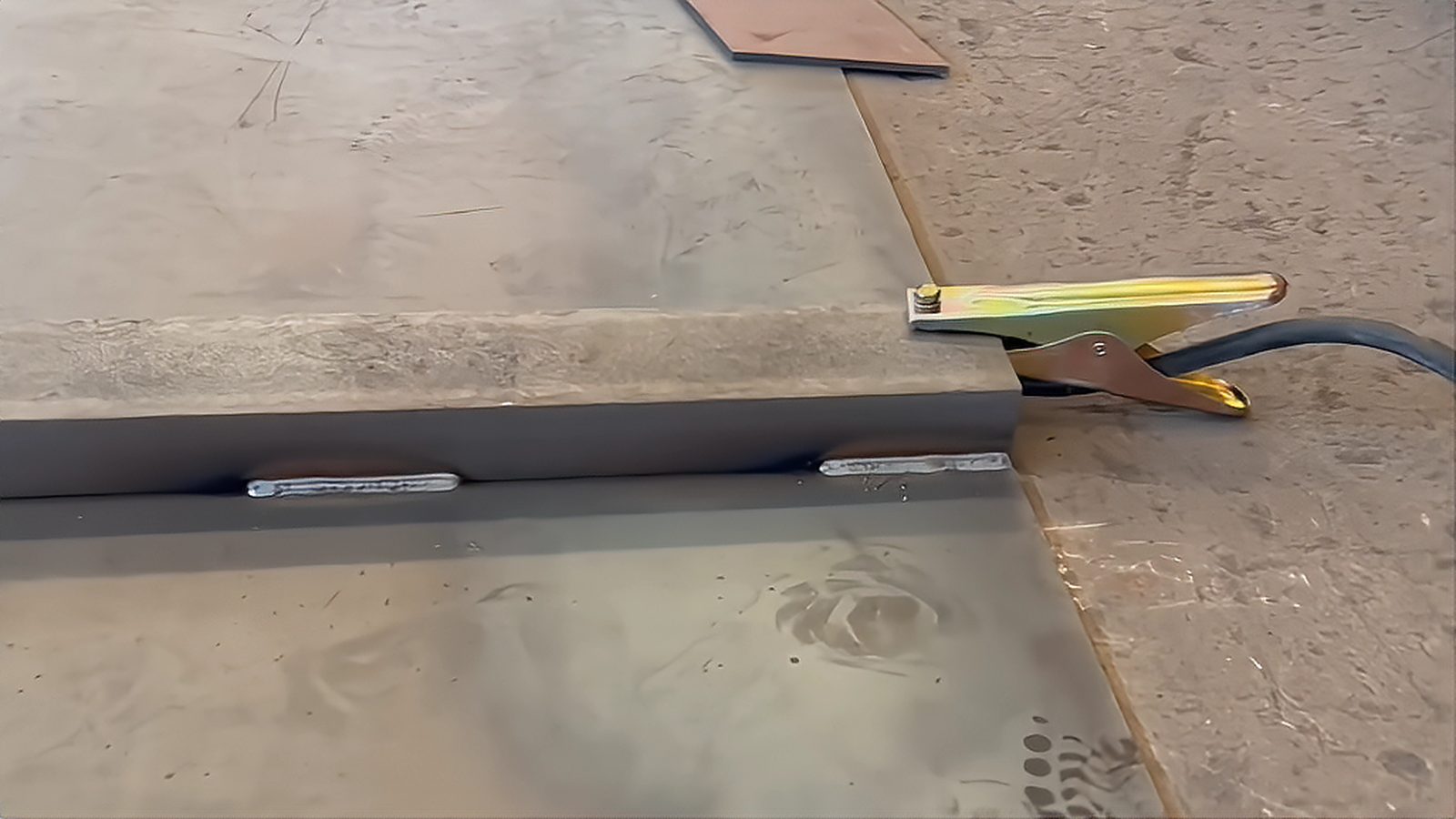
Laser Safety Classes Explained: Class 1 Through Class 4
Laser safety classes tell you how dangerous a laser is and what controls you need around it, but the classification…
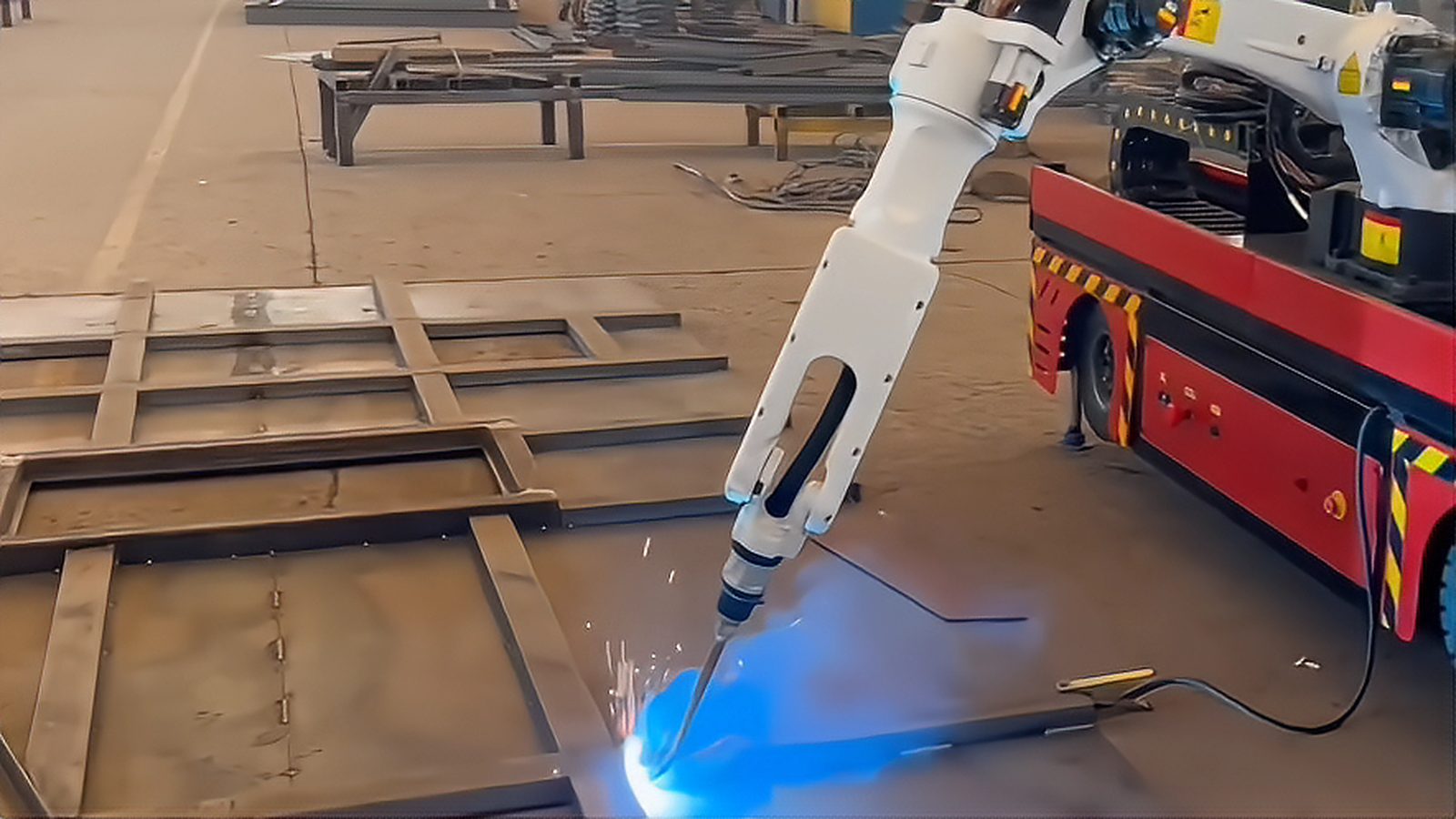
Laser Weld Inspection Methods: Visual X-Ray and Ultrasonic
Laser weld inspection determines whether a weld will hold in service, and selecting the wrong method means either…
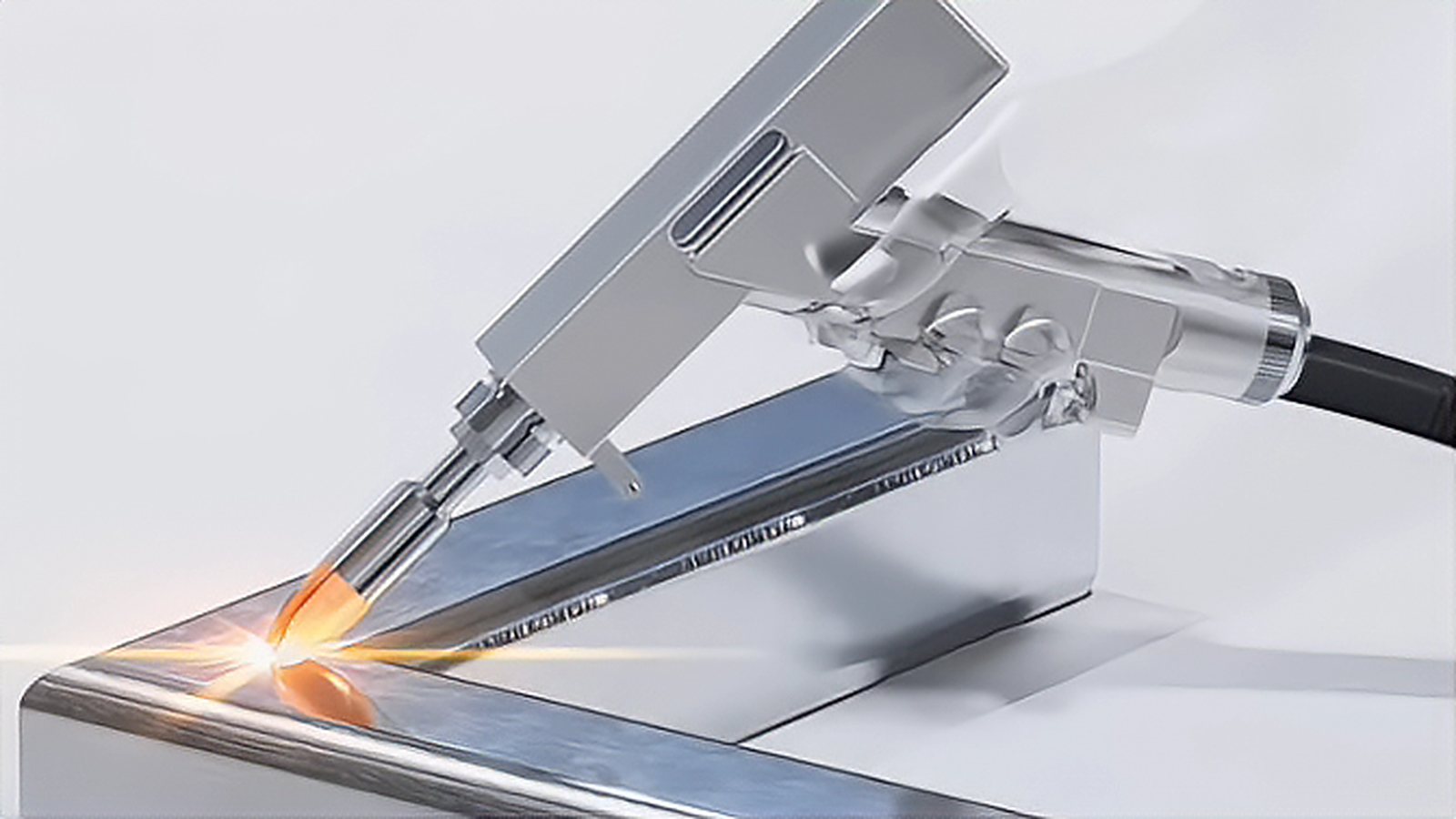
Energy Efficiency of Laser Processes: A Practical Comparison
Any discussion of laser process energy efficiency fails before it starts if the denominator has not been agreed.…
Total Cost of Ownership for a Laser Welding Robot
The purchase order is the smallest number in the calculation, and treating it as the headline figure is the most…
Laser Robotics in 2026: Five Trends to Watch
Discussions of laser robotics trends 2026 fill up quickly with market numbers, so this article takes a different…
Laser SLAM for Service Robots: Comparing Approaches
A laser SLAM service robot knows where it is by matching rangefinder data against a map it has built, and the number…
Regulatory Basics for Medical Laser Robots
Medical laser robot regulation rarely arrives as a single rulebook, and teams that treat it that way usually find the…
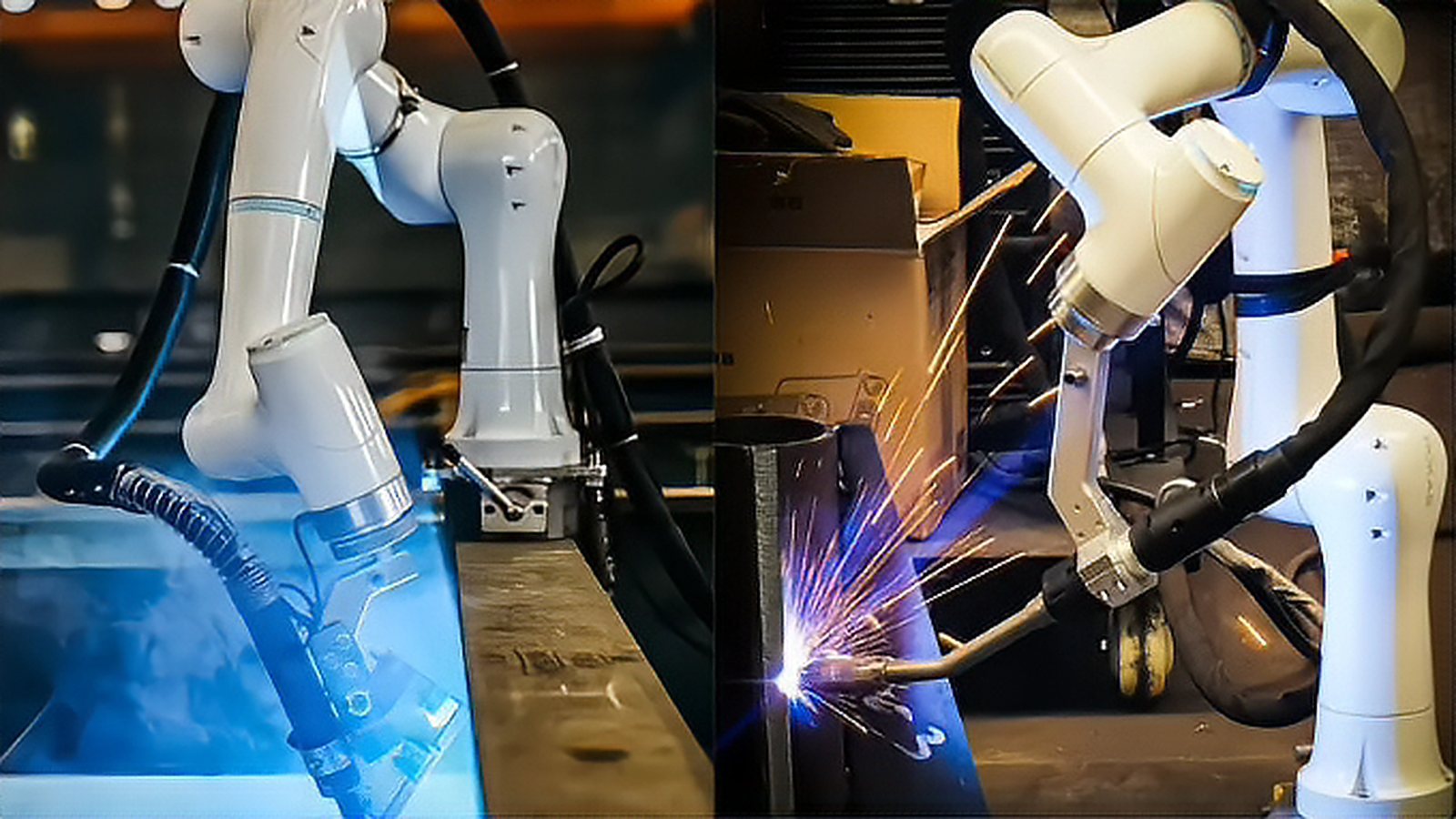
Laser Welding Robot Maintenance: A Practical Schedule
Laser welding robot maintenance is usually copied from a machine manual into a spreadsheet, and that approach…

Penetration in Laser Welding: Setting Depth of Fusion by Thickness
Penetration is the result every laser welding program is judged on, yet it is not a value you can dial in directly.…
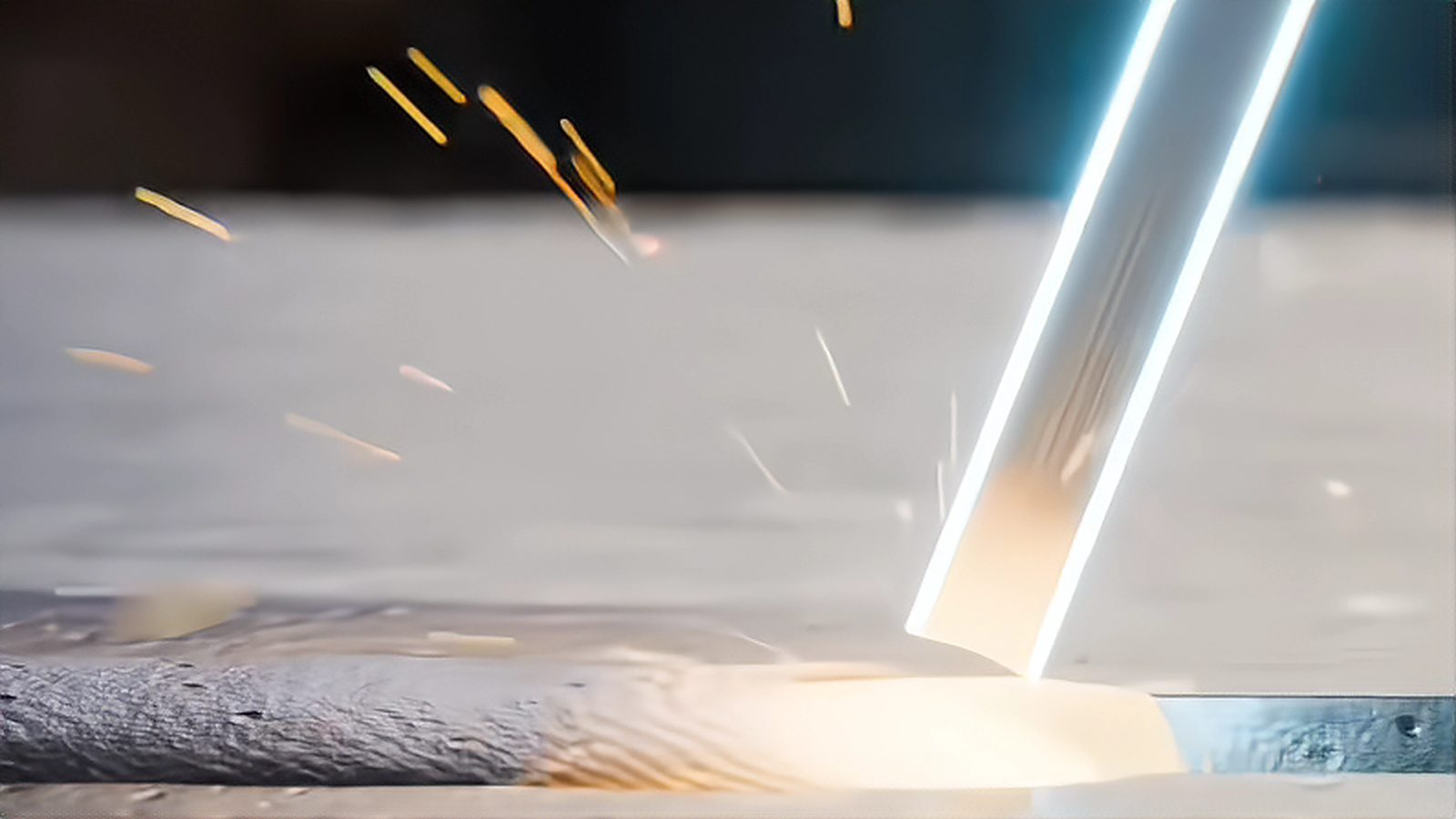
Spot Size and Power Density in Laser Welding: How Focus Sets the Process
On a laser welding setup sheet, power is the number everyone reads first, but power alone says little about what…

Laser Welding Titanium: Atmosphere Control and Colour Inspection
Titanium is rarely hard to weld because the laser lacks power; it is hard because titanium is chemically aggressive…
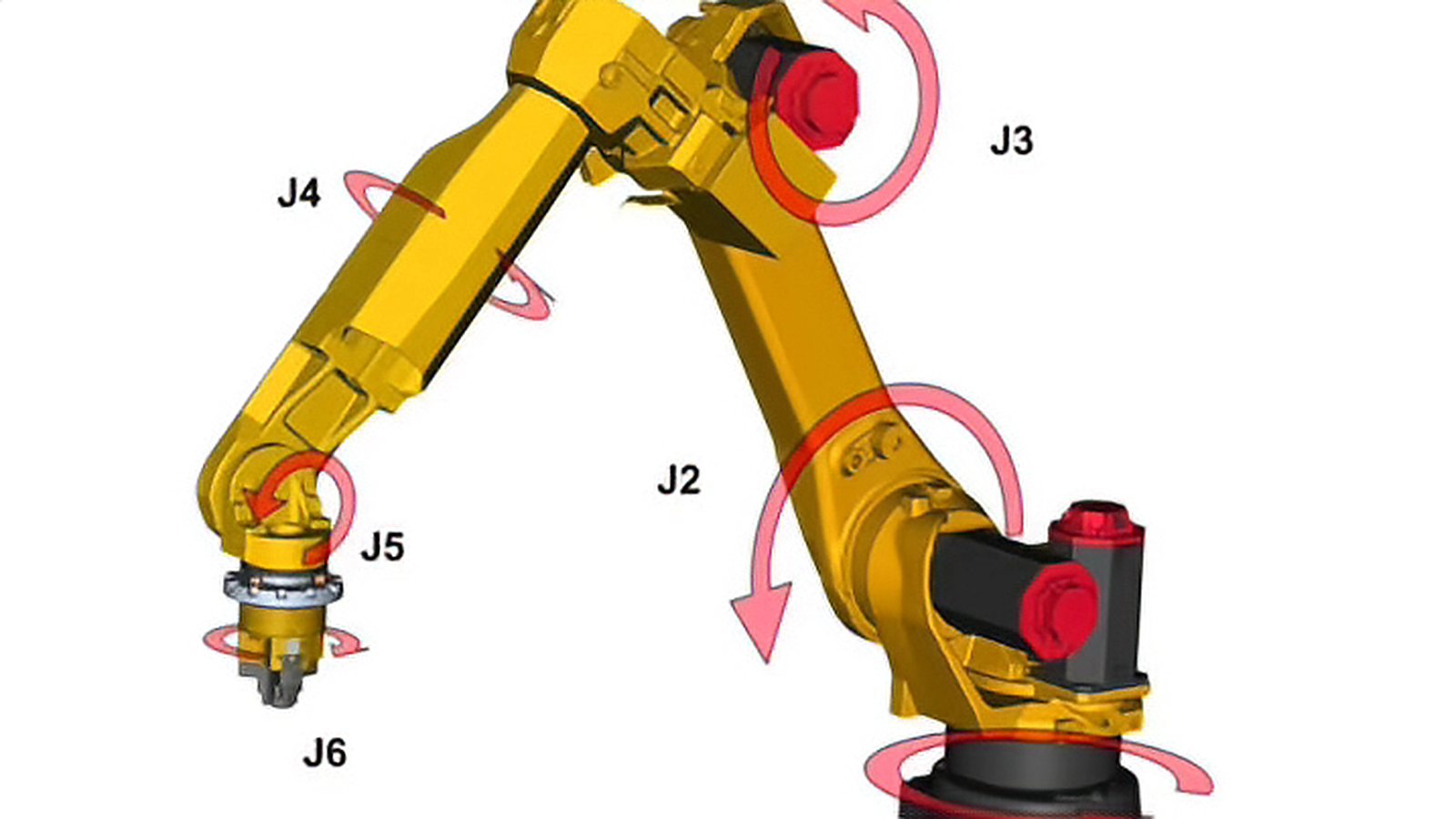
Offline Programming vs Teach Pendant for Laser Robots
Offline programming laser robot work moves path creation off the shop floor and into a software model, while a teach…
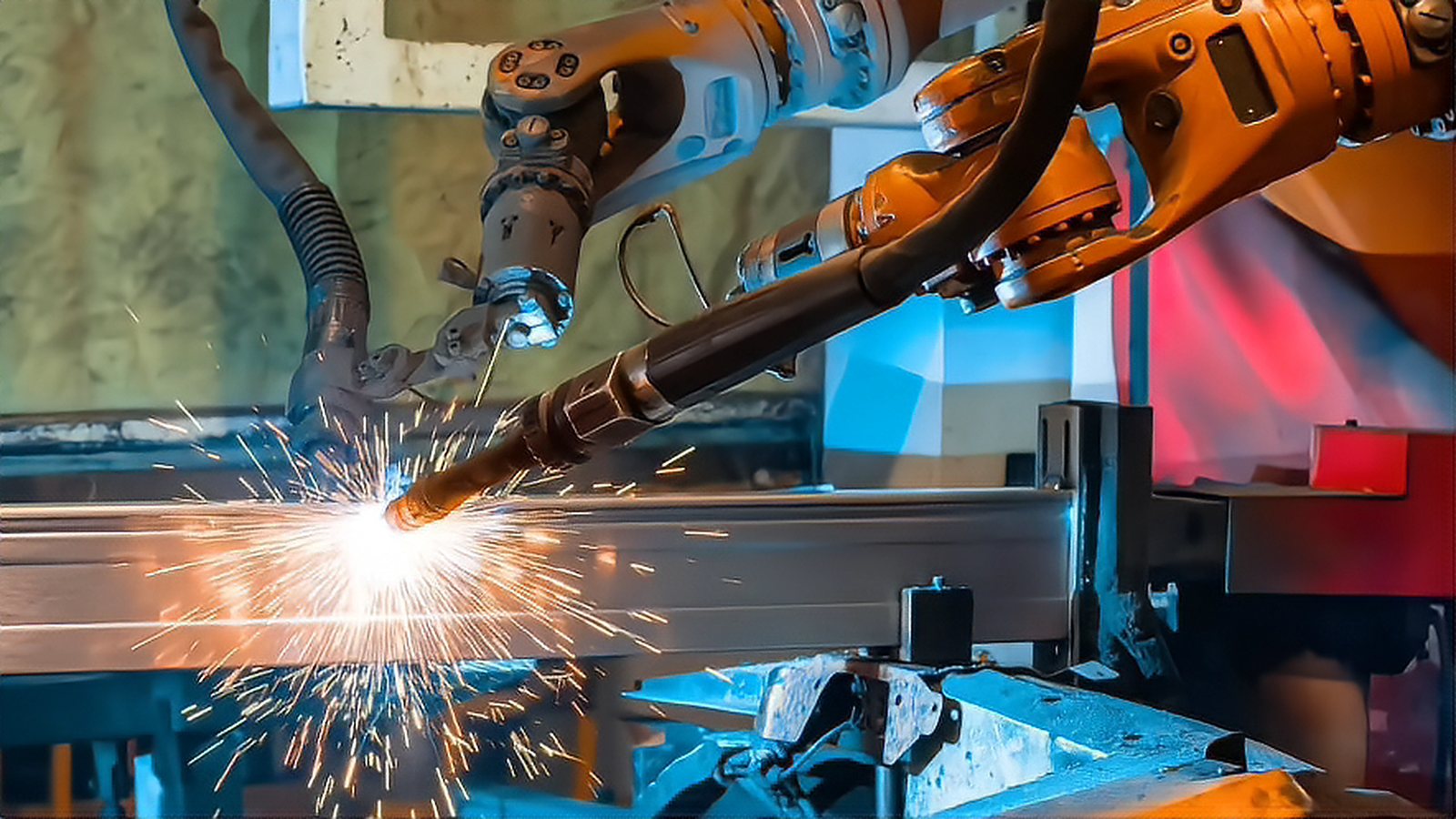
Robot and Laser Market Data: What the Latest Figures Mean for Welding Automation
Welding automation does not exist in a vacuum, and the numbers that describe the wider robot and laser market are a…
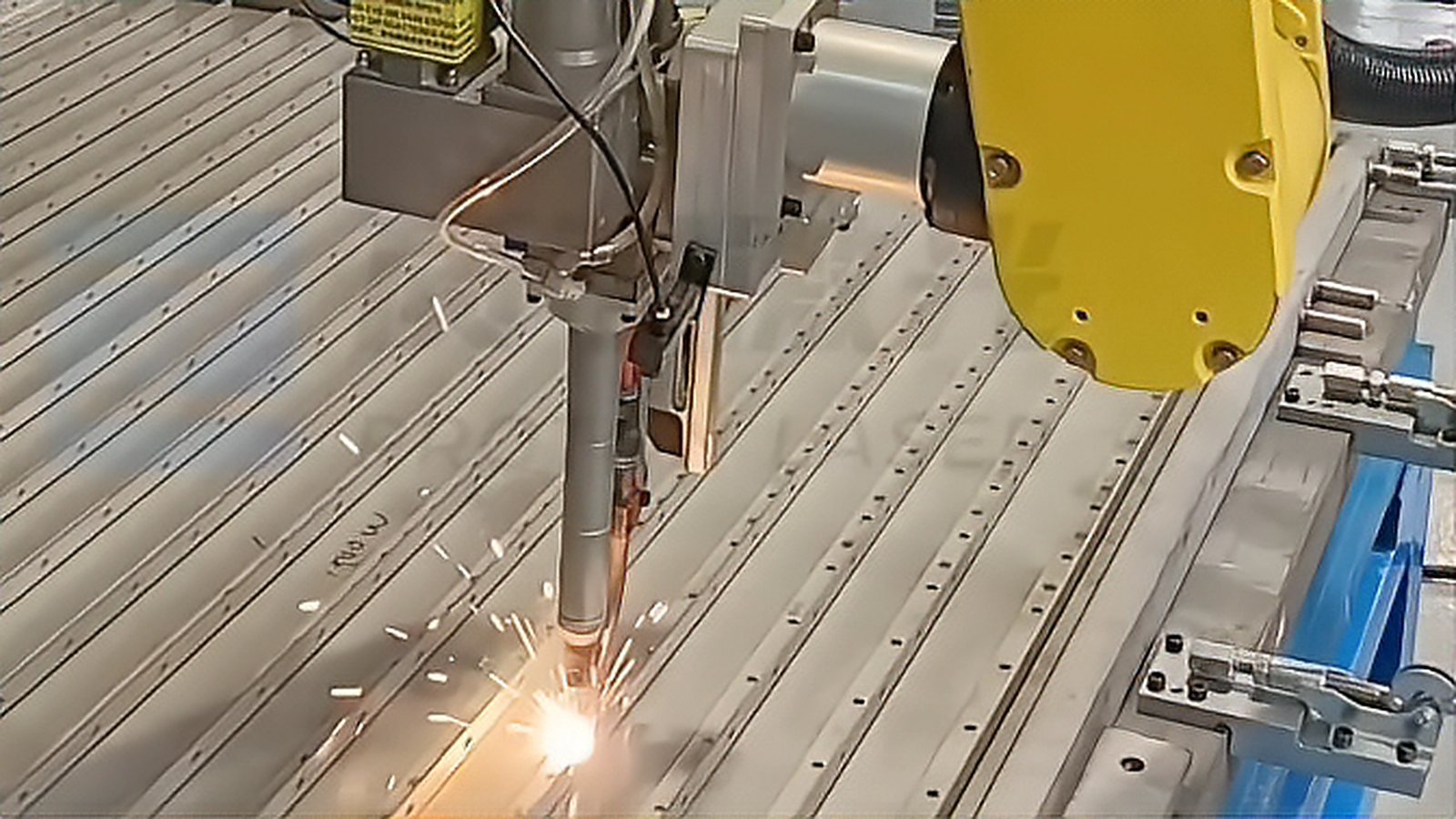
Fiber Laser Marking Systems: What to Specify for Industrial Traceability
Traceability lives or dies at the point where the mark is made, and a part number that a verifier cannot read at the…
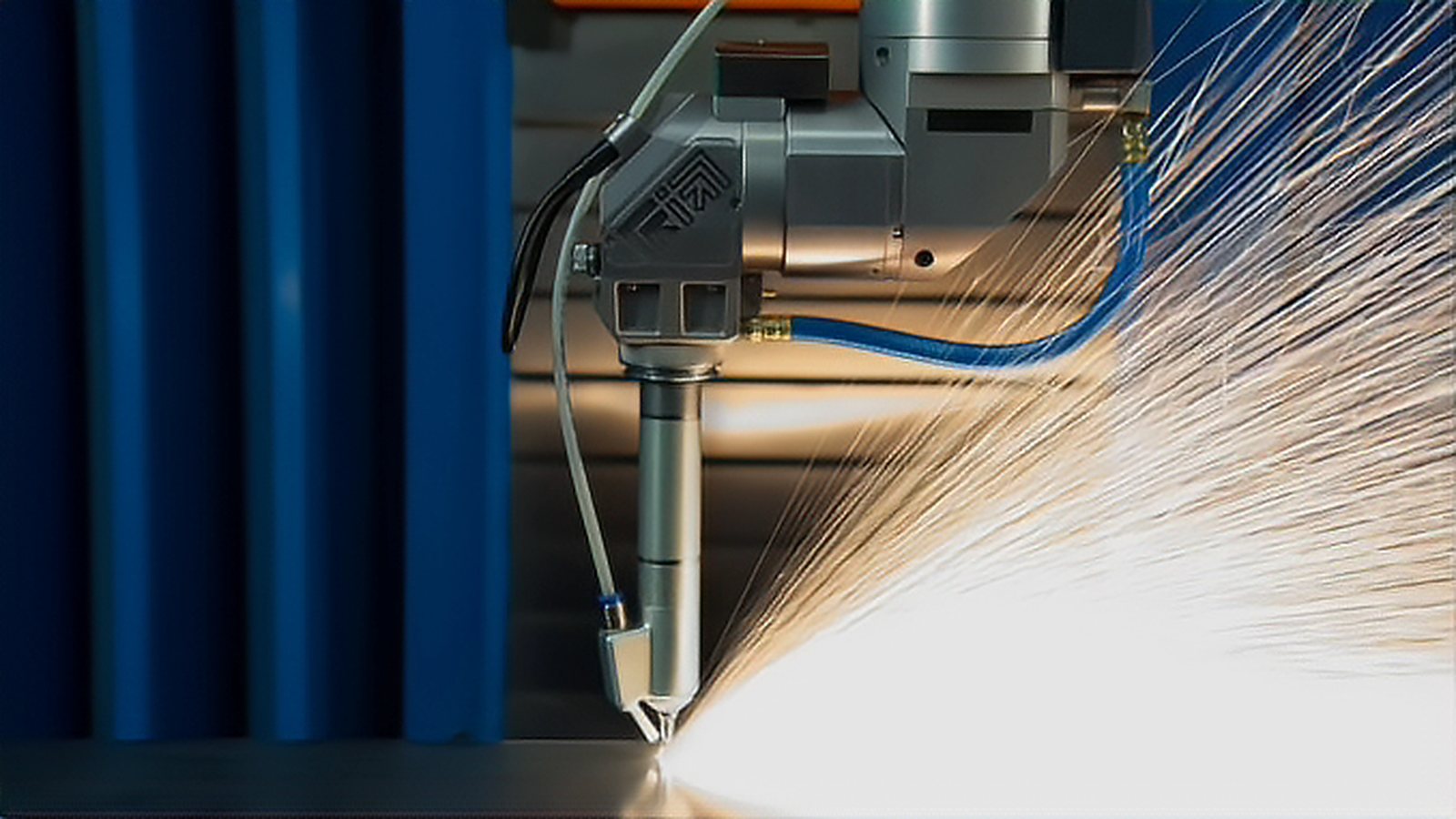
CO2 Laser Cutting: A Practical Guide for Robot Cells
CO2 laser cutting is no longer the default choice for cutting metal, and anyone sizing a robot cell should treat it…
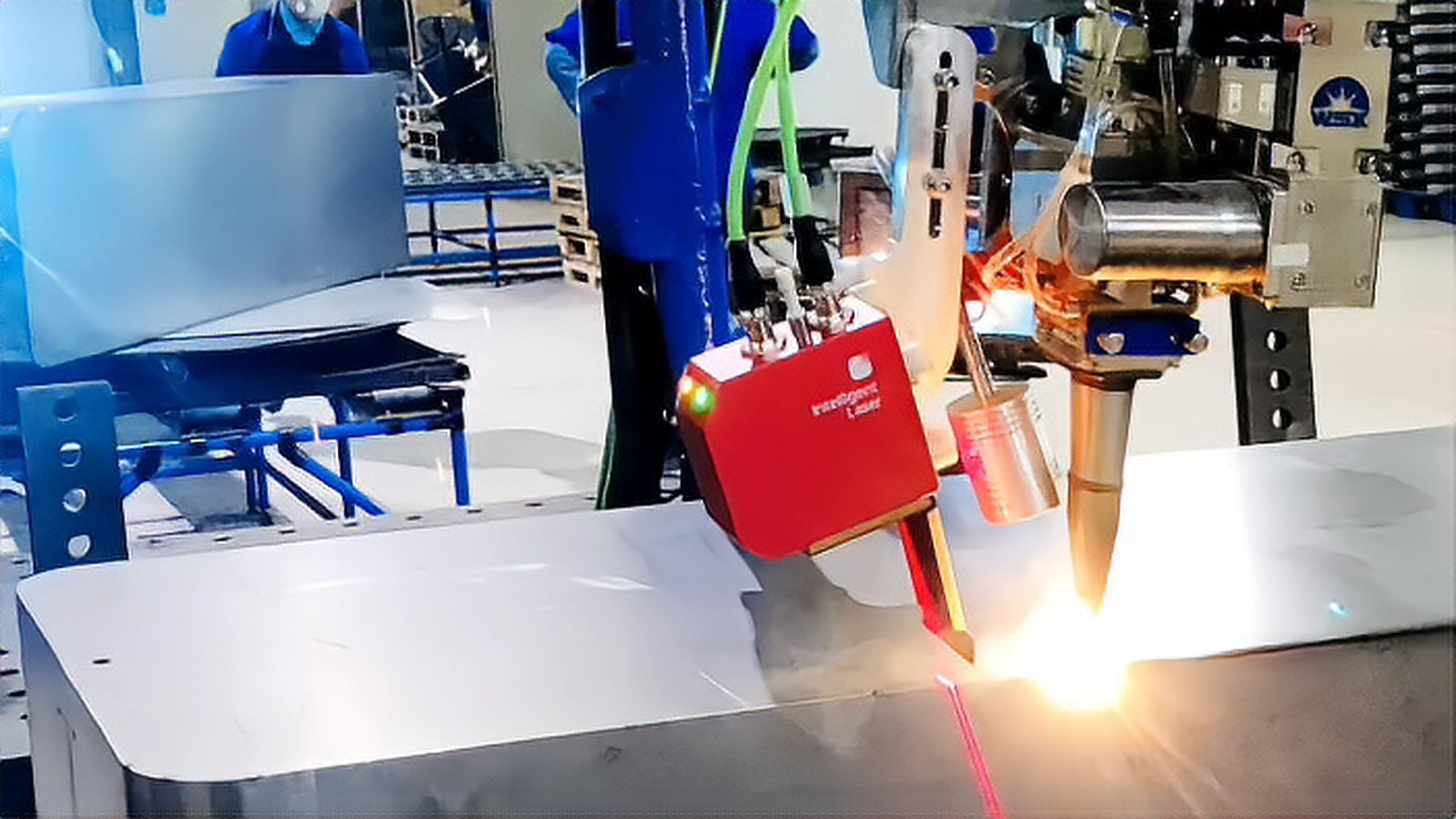
Advanced Laser Cutting Techniques for Aerospace Grade Materials
Aerospace laser cutting is judged less by whether the beam separates the material and more by what the cut edge does…
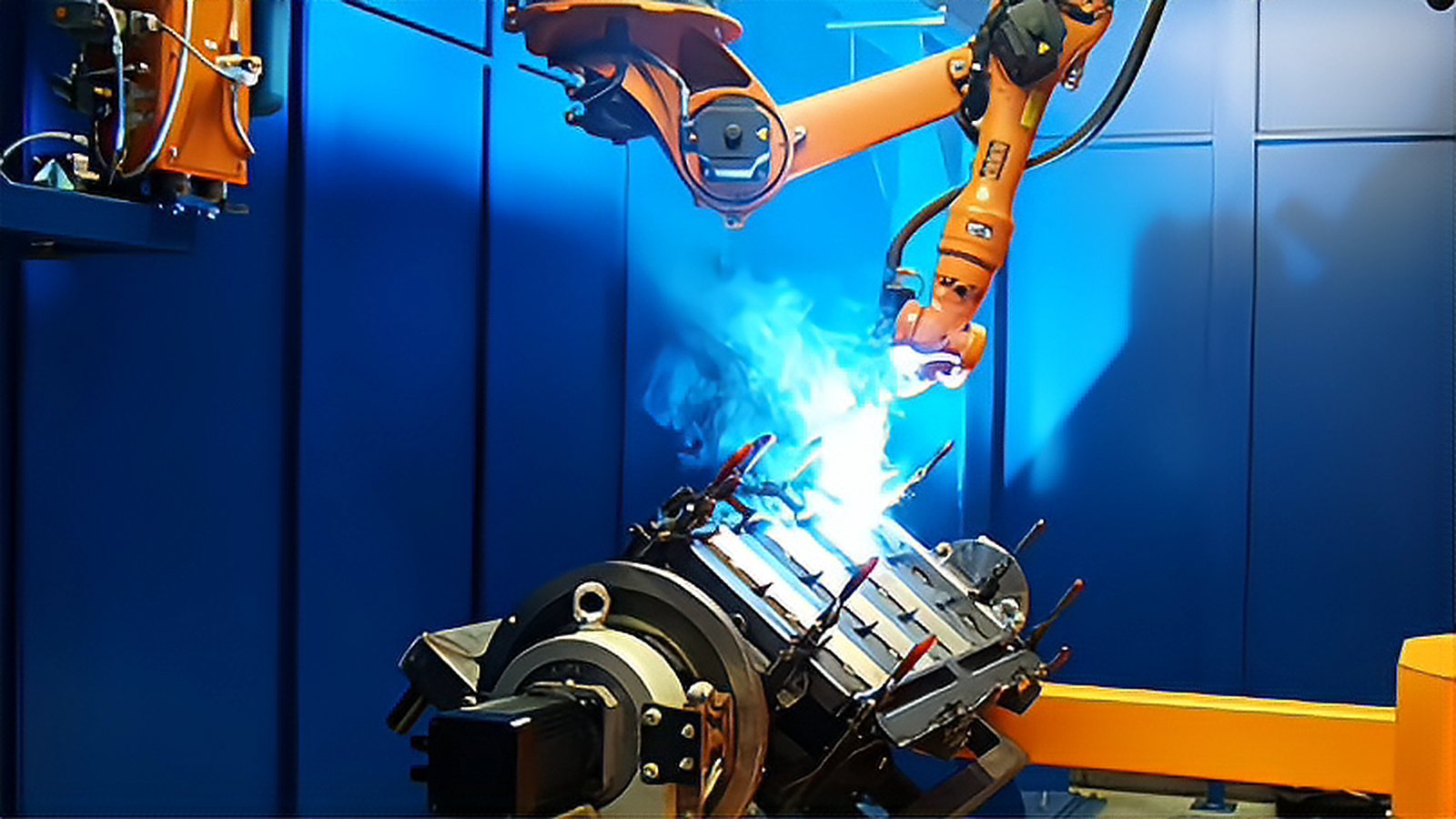
Understanding Laser Welding Robots in Automotive Manufacturing
Automotive laser welding is not one process. Body shops combine remote laser welding with scanner optics, laser…
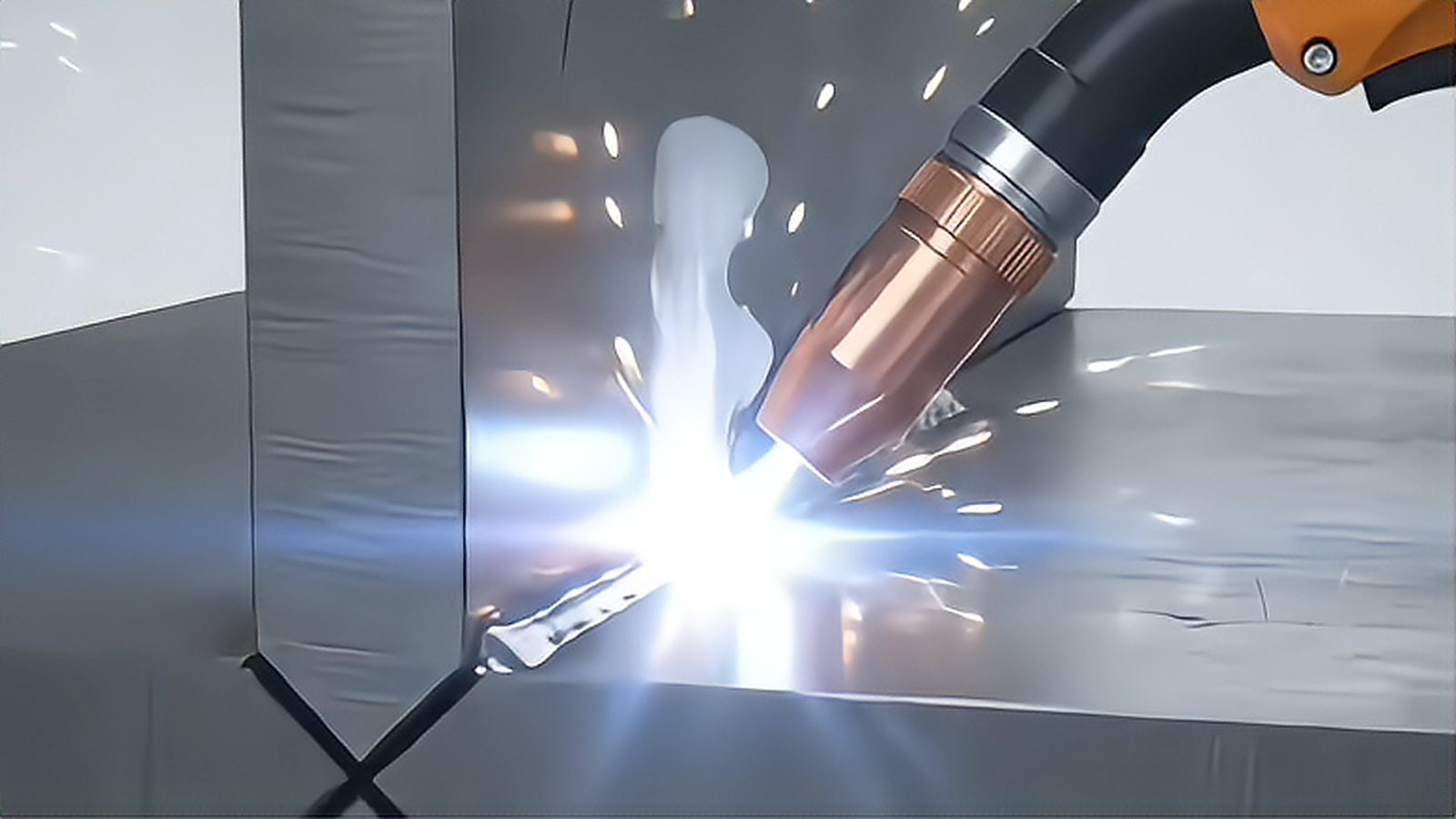
Laser Welding Carbon Steel: Chemistry, Thickness and Process Windows
Carbon steel is the material most [laser welding](https://weldprobot.com/category/laser-welding/) procedures are…
Laser Welding Stainless Steel: Grades, Ferrite Balance and Cracking Risk
Stainless steel is often called easy to [laser weld](https://weldprobot.com/category/laser-welding/), and in some…
Burn-Through in Laser Welding: Causes and Prevention on Thin Sheet
Burn-through on thin sheet is not gradual. A few percent more power or a slightly slower traverse can turn a sound…
Lack of Fusion in Laser Welding: Why It Hides and How to Correct It
Lack of fusion is the most dangerous defect in laser welding because it gives almost no warning. A weld with an…
Undercut in Laser Welding: Causes, Inspection and Prevention
Undercut is the defect that looks tidy. Where spatter leaves obvious debris, undercut leaves a smooth groove melted…
Spatter in Laser Welding: Causes and How to Control It
Spatter is the defect everyone sees and almost nobody measures. Droplets land on fixtures, nozzles, cover glass, and…
Cobot Laser Welding: What It Can and Cannot Do Safely
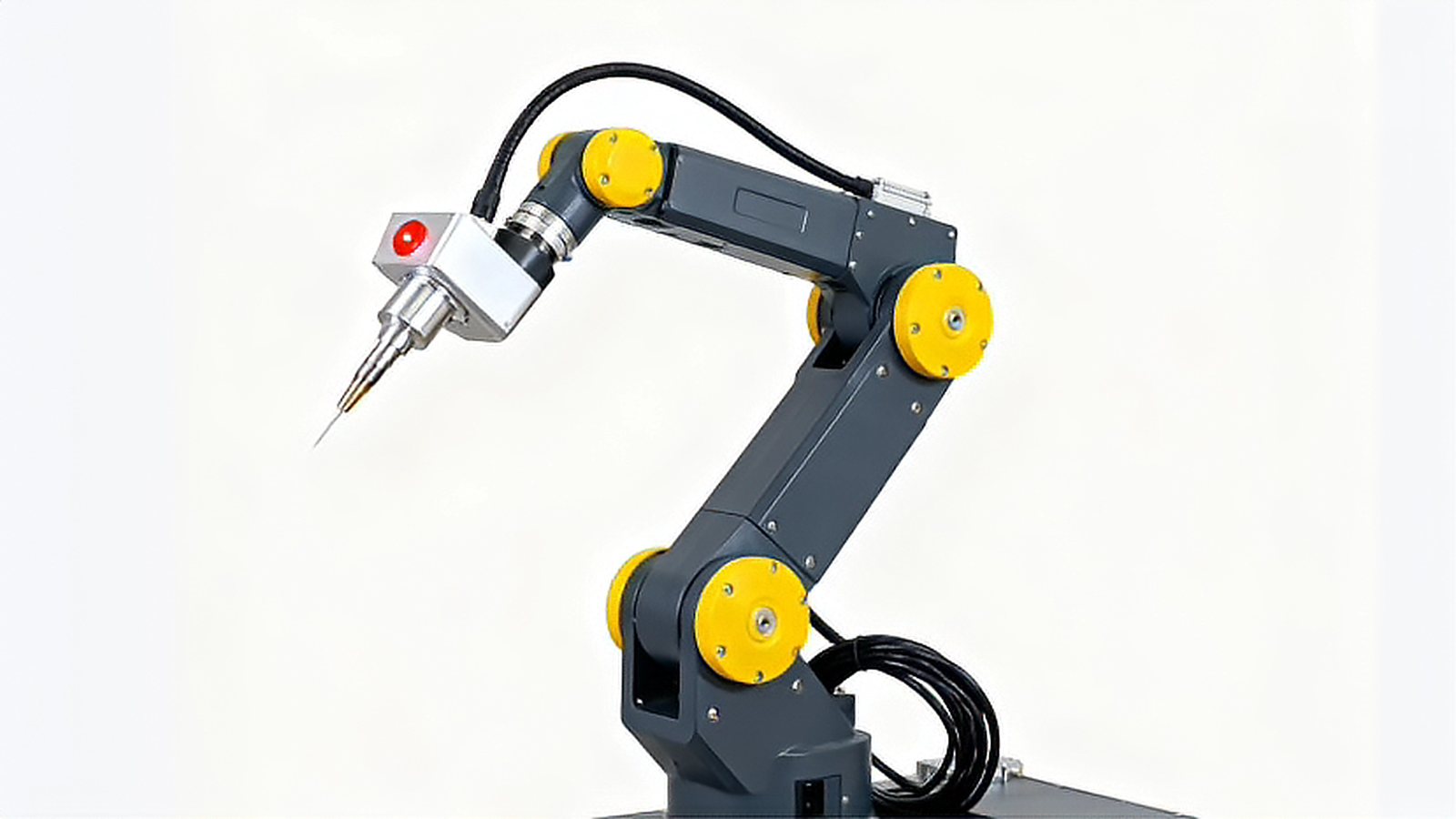
Cobot laser welding is often presented as a way to bring a laser head to a workpiece without paying for a full…
Real Time Weld Quality Monitoring: Sensors and Data
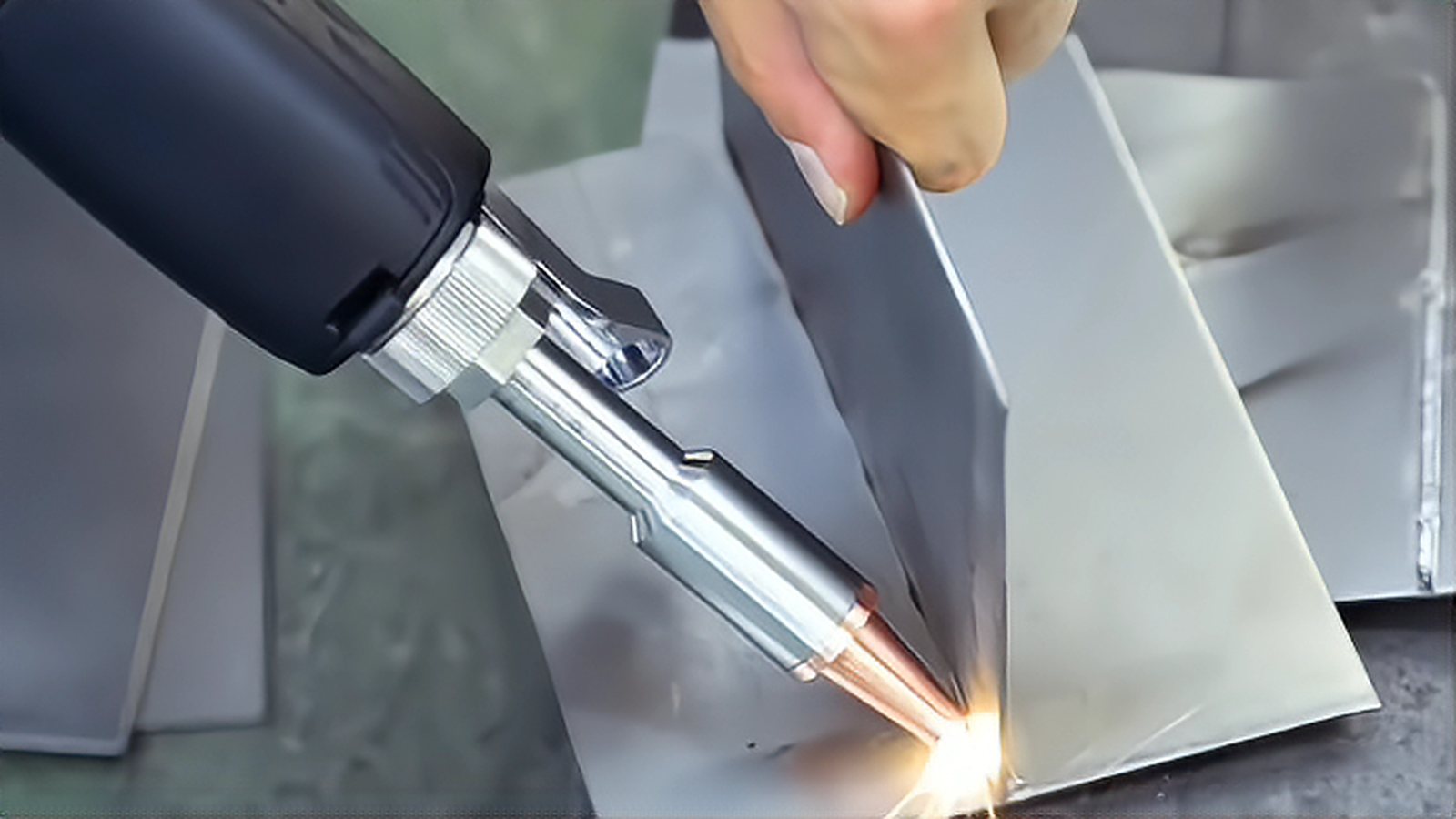
Laser weld monitoring turns a welding cell into a source of measurement, and the value of that measurement depends on…
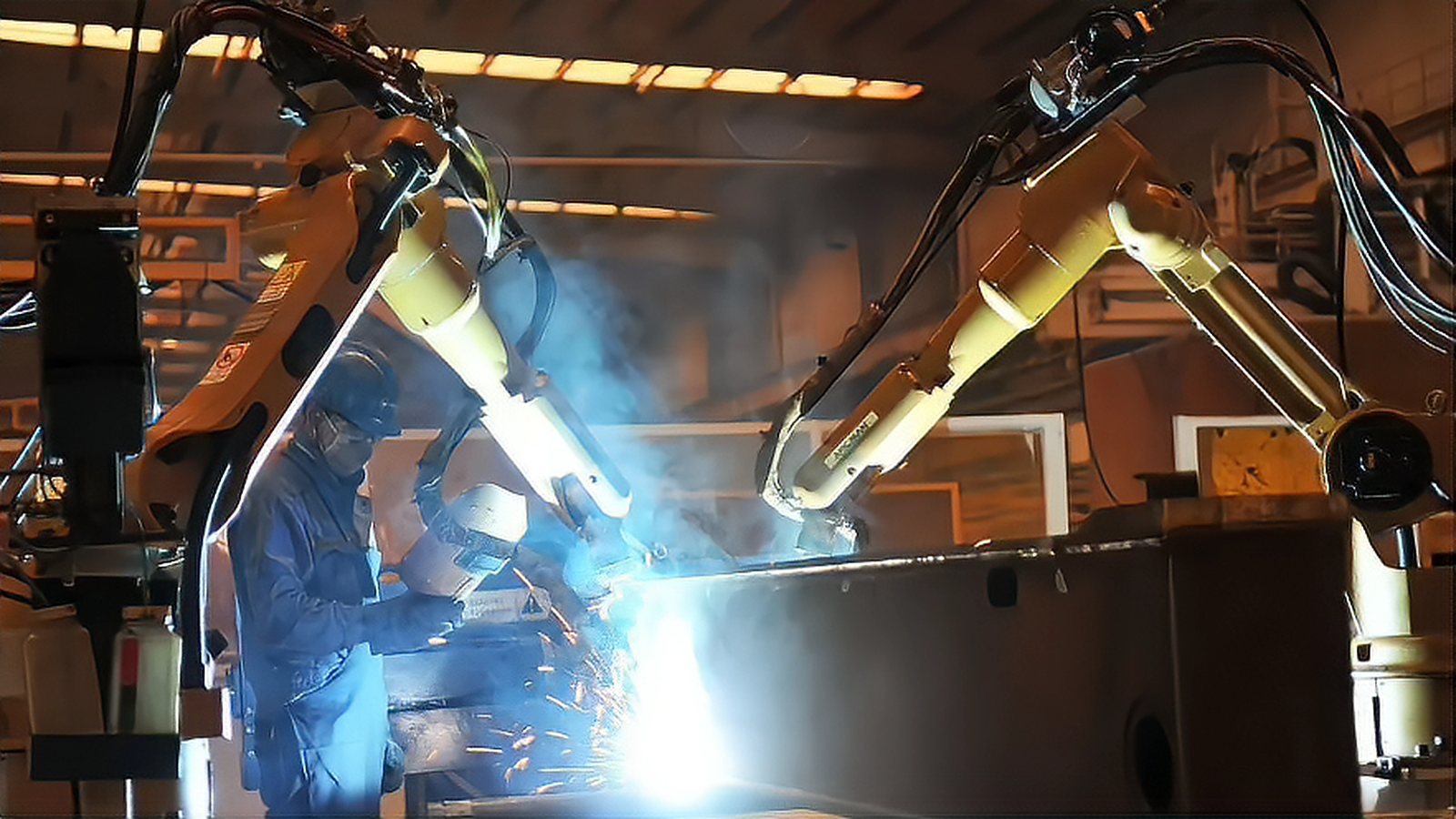
Fume Extraction and Air Quality in Laser Processing
Laser fume extraction decides whether an operator breathes metal oxide particles or clean air, and it also decides…
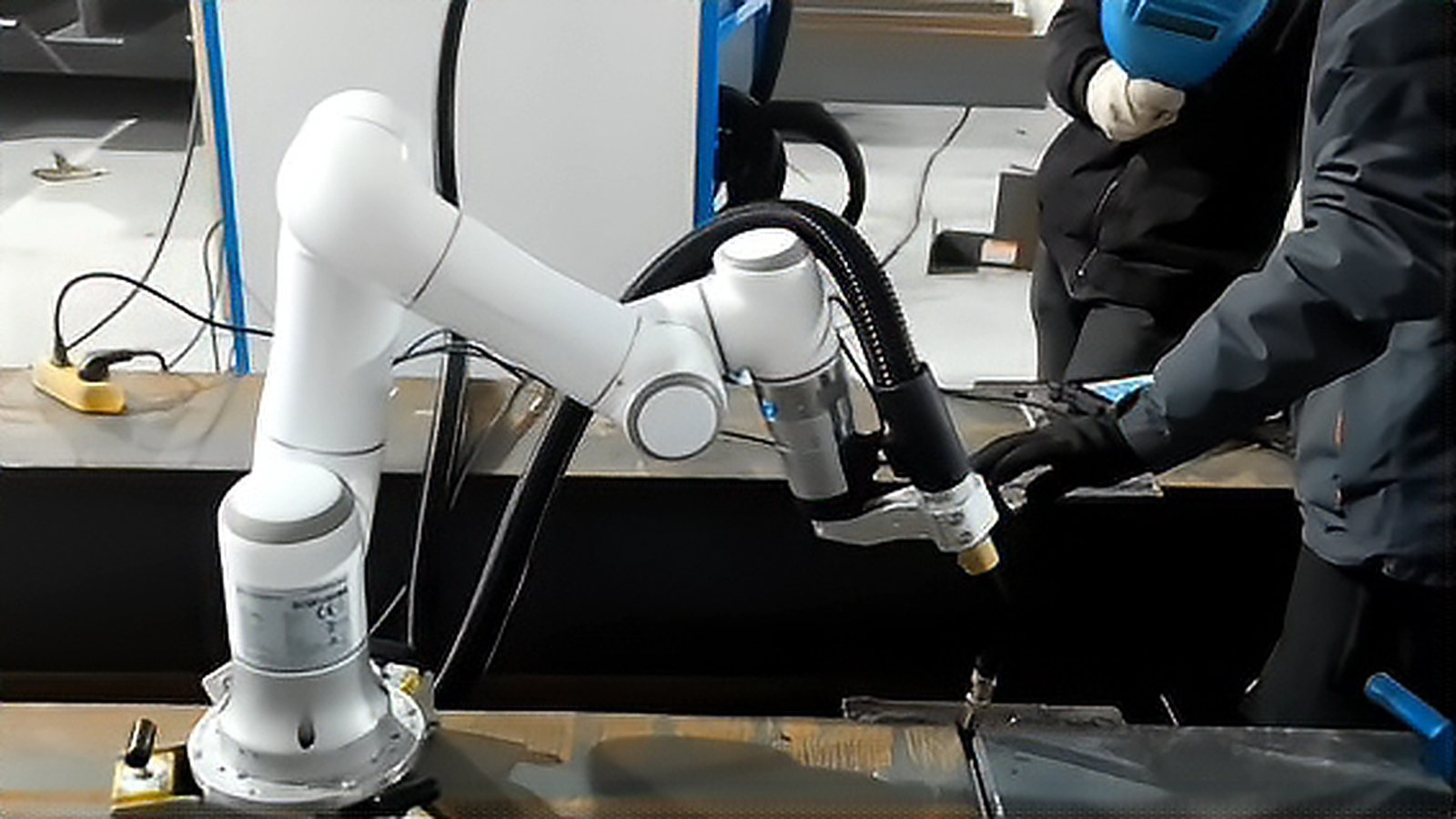
Planning a Laser Robot Cell: Layout and Floor Space
A laser welding cell layout is decided long before the robot model is chosen, because the safety enclosure, the part…
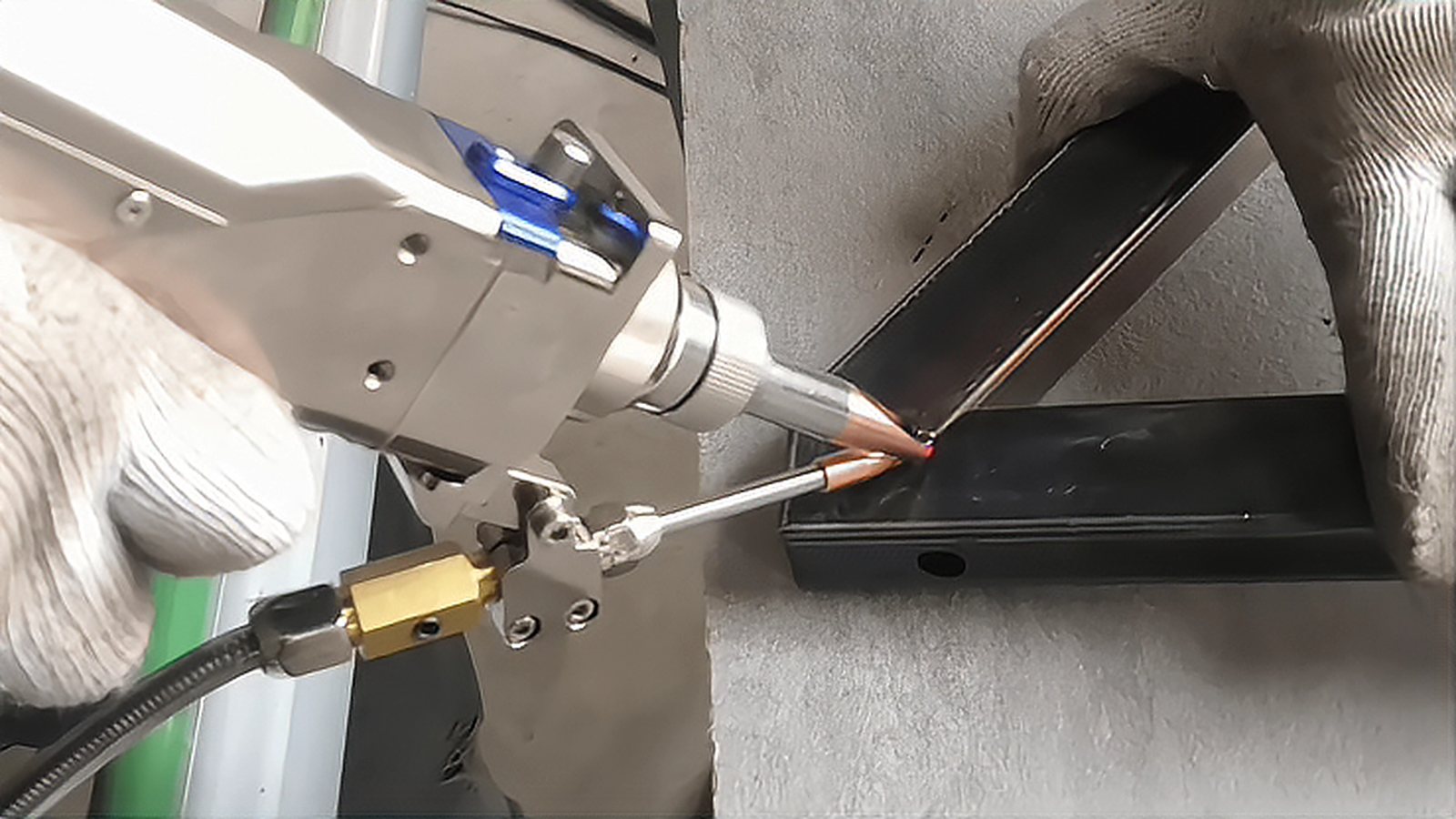
Laser Marking vs Laser Engraving: Choosing the Process
Laser marking vs engraving looks like a matter of shop preference until a part fails an inspection or a code becomes…
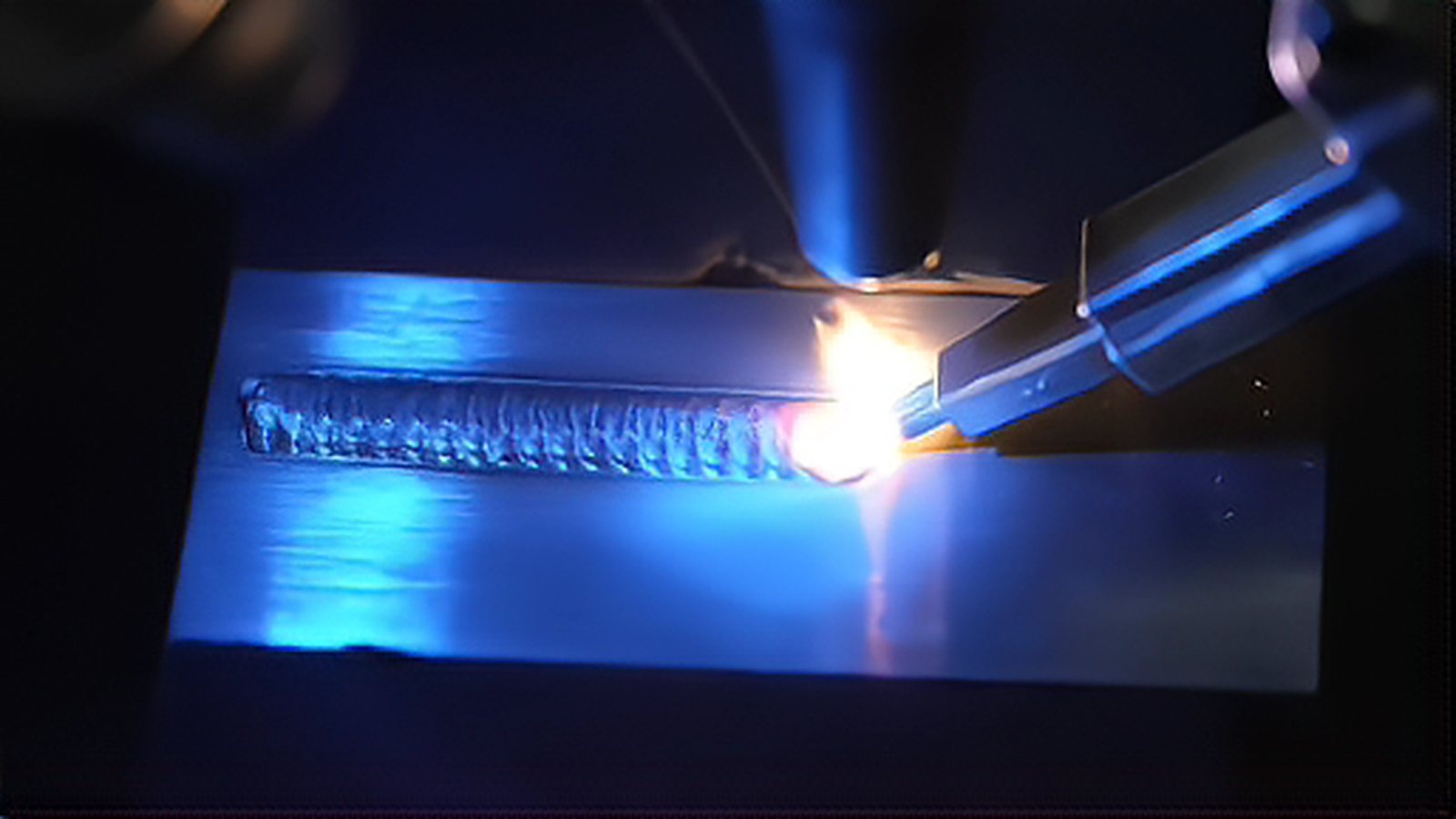
Cutting Thick Steel: Fiber Laser vs CO2
When a shop moves from thin sheet to plate, laser cutting thick steel stops being a question of raw speed and becomes…
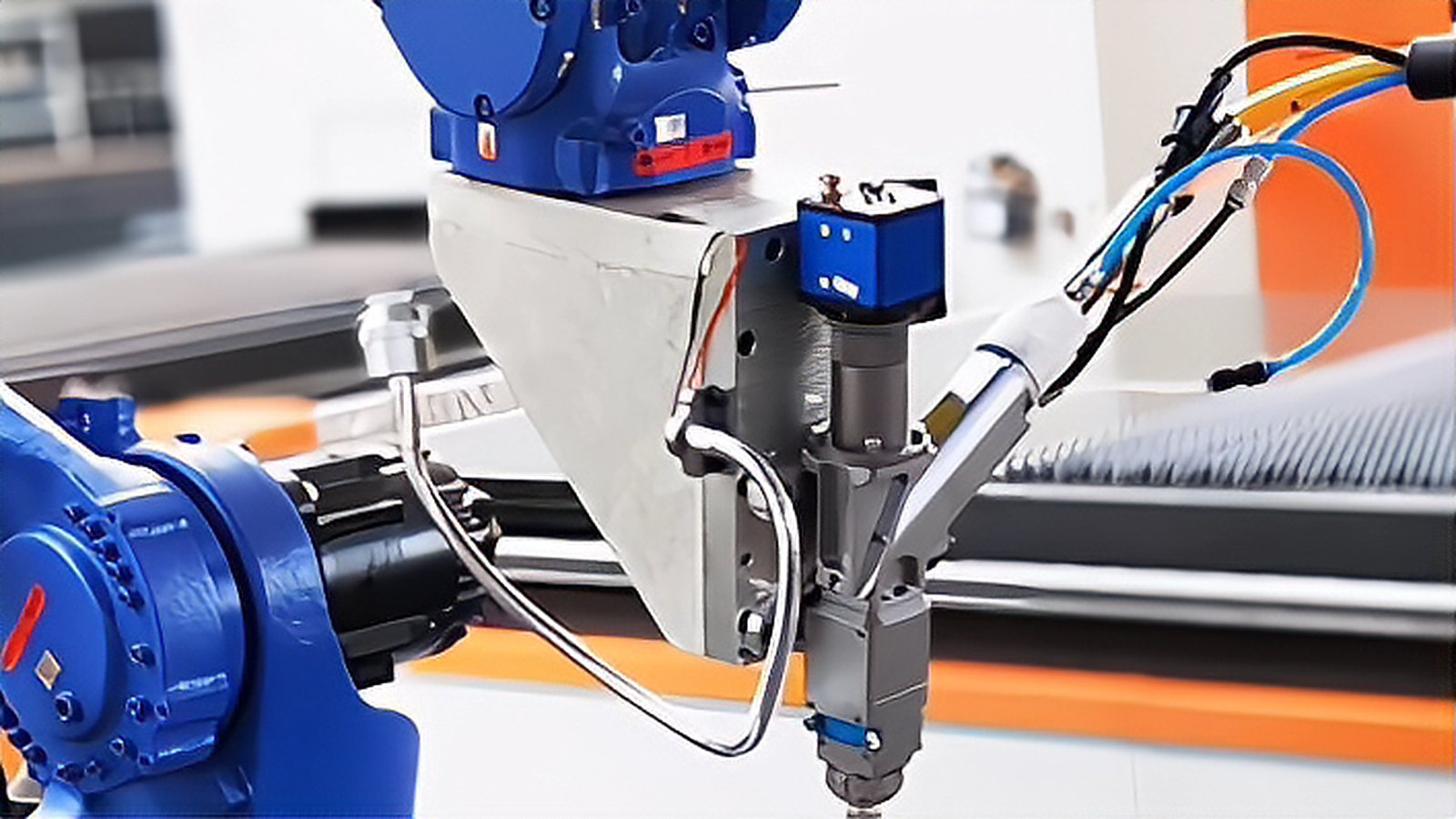
Laser Cleaning Robots: Removing Rust, Paint and Coatings
A laser cleaning robot removes a surface layer with light instead of grit, chemicals or a scraper, and that…
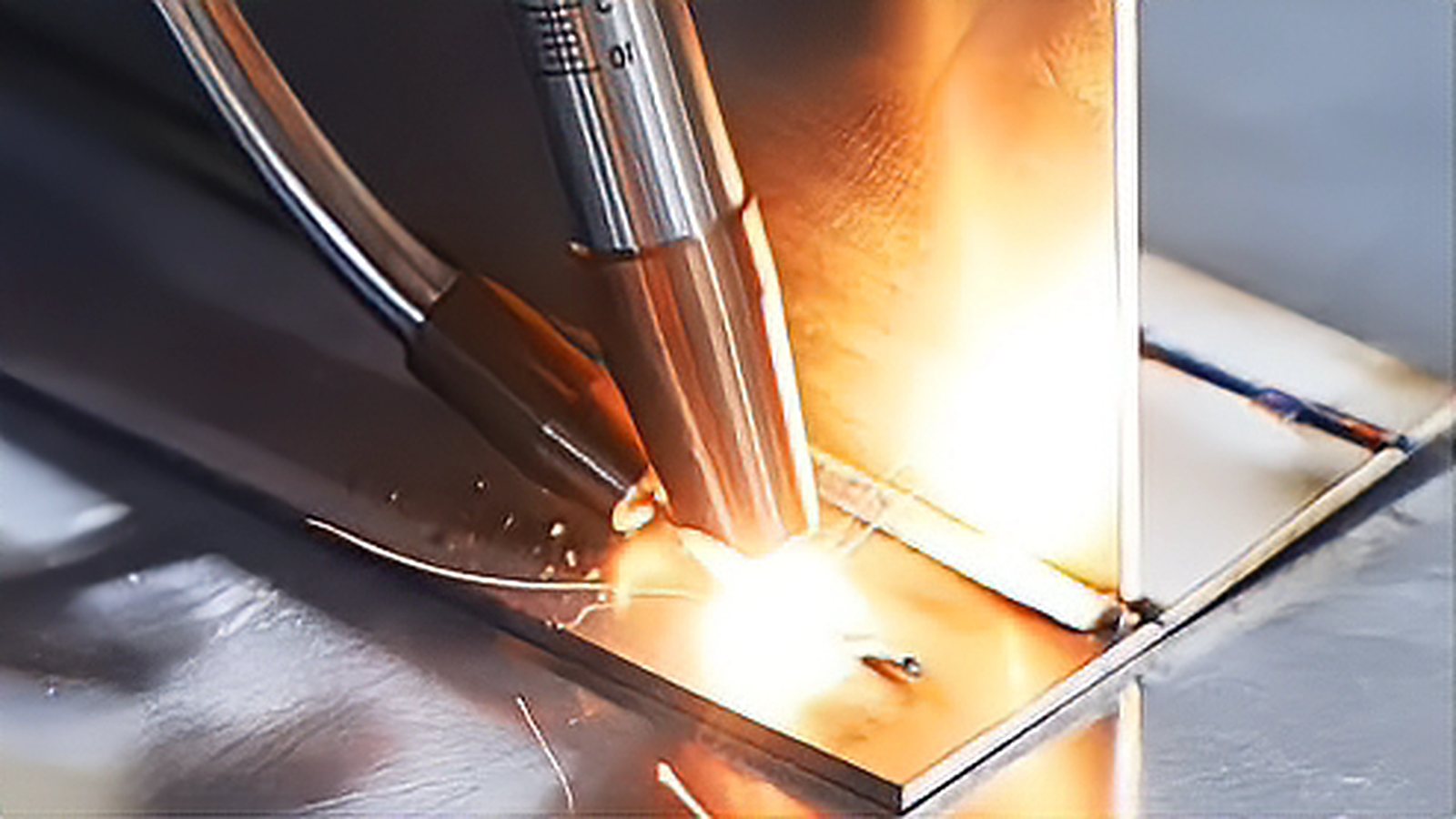
Laser Cladding and Additive Repair with Robots
A laser cladding robot is not a welding machine that happens to run slower. It is a repair tool that rebuilds a worn…
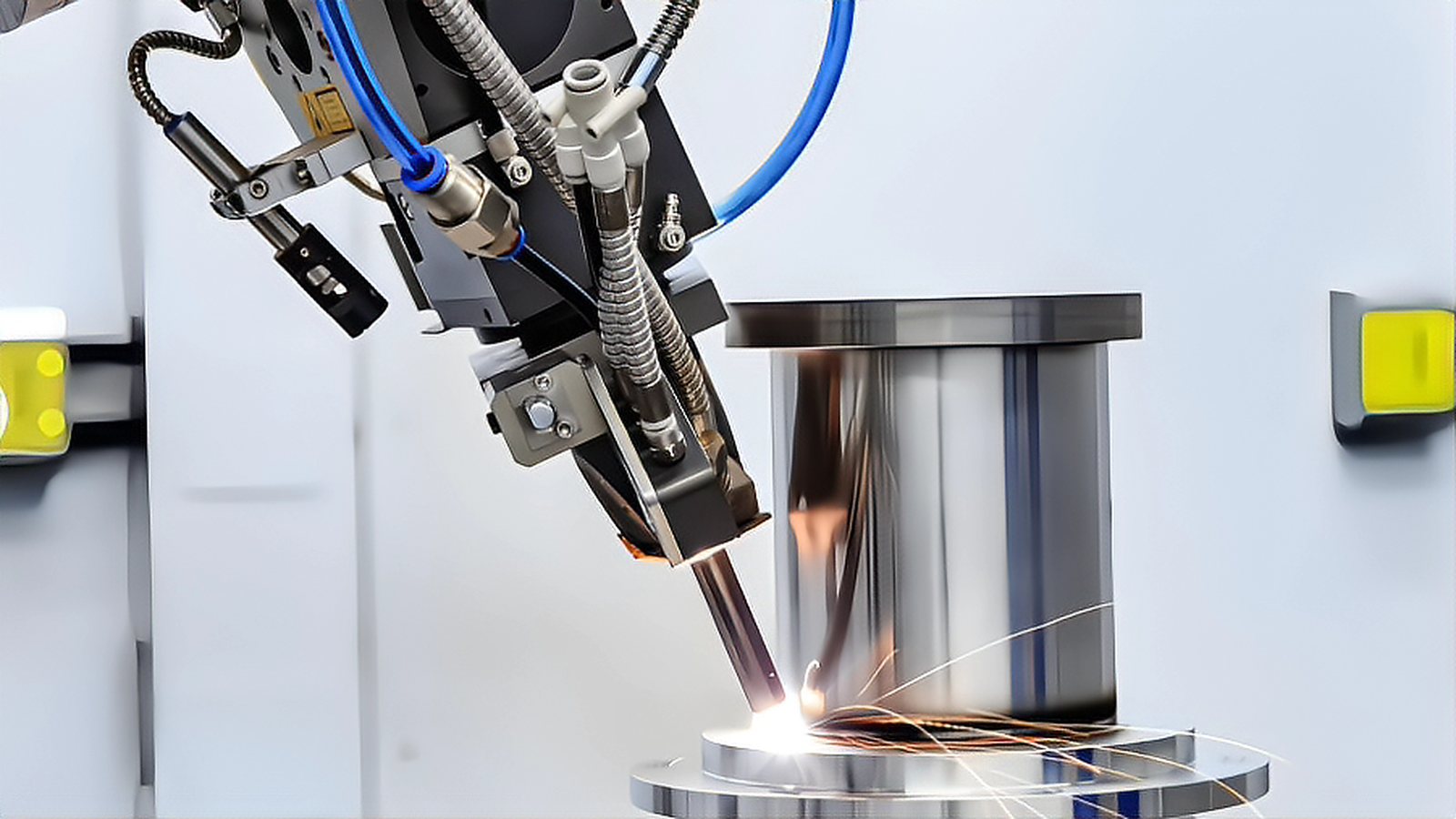
Seam Tracking and Vision for Laser Welding Robots
Laser seam tracking exists because a robot that follows a taught path cannot keep up with real parts. Blanking…
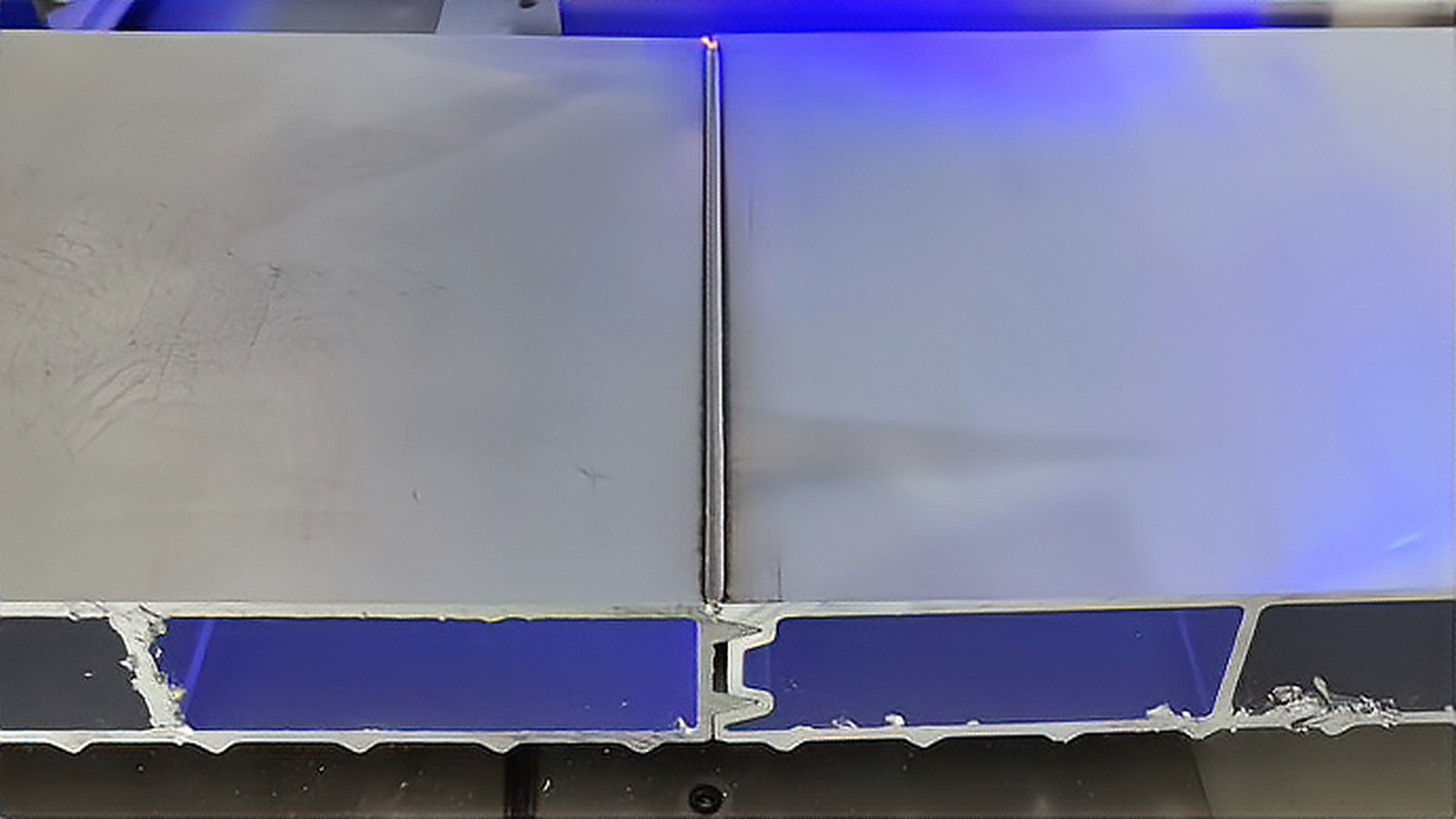
Joining Steel to Aluminum: Controlling Brittle Intermetallics
Dissimilar metal laser welding between steel and aluminum fails for one reason: the two metals react at the interface…
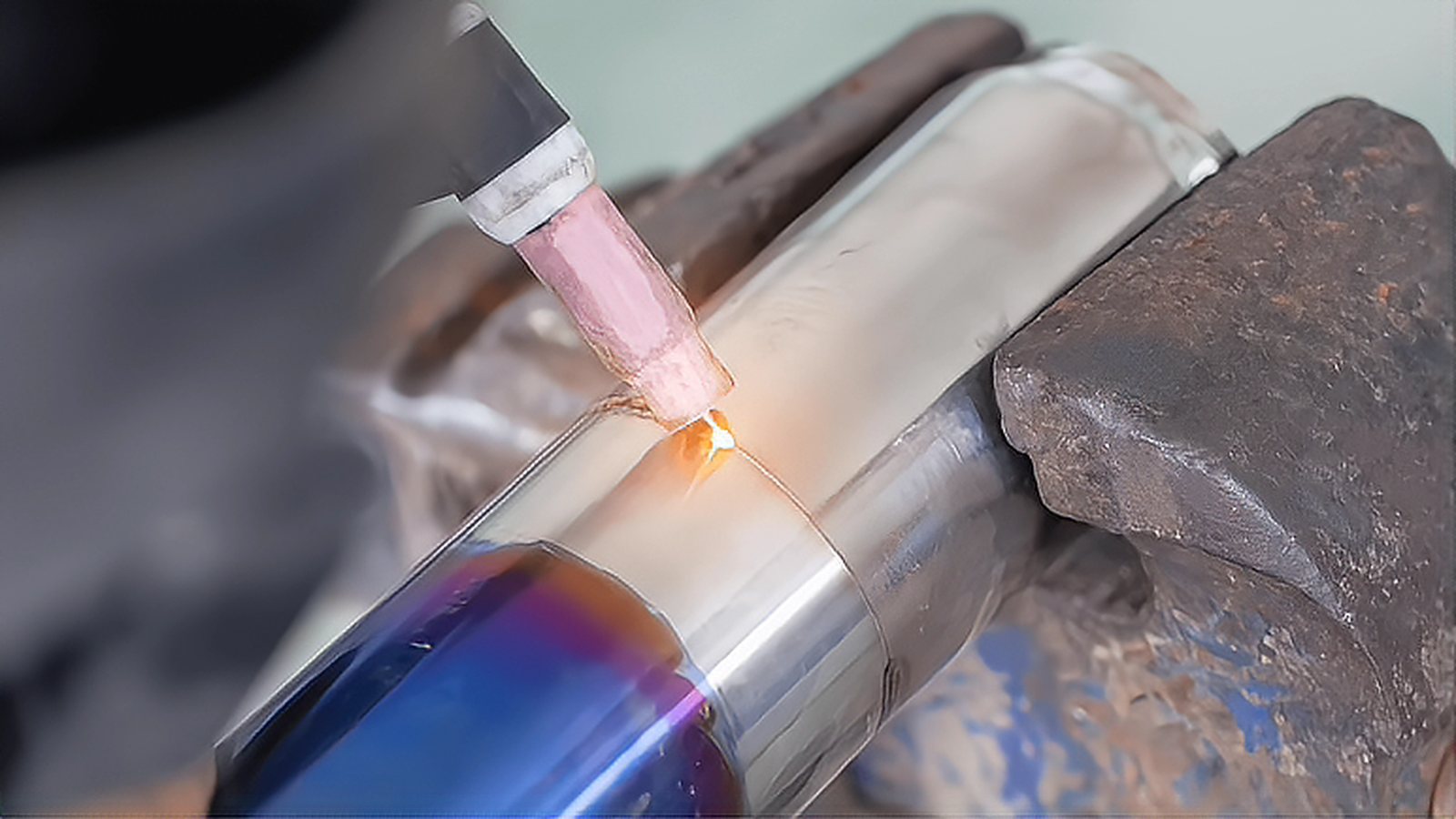
Laser Welding Copper and Aluminum for EV Battery Packs
Copper laser welding sets the pace of a battery pack line, because busbars, foil tabs and motor hairpins are the…
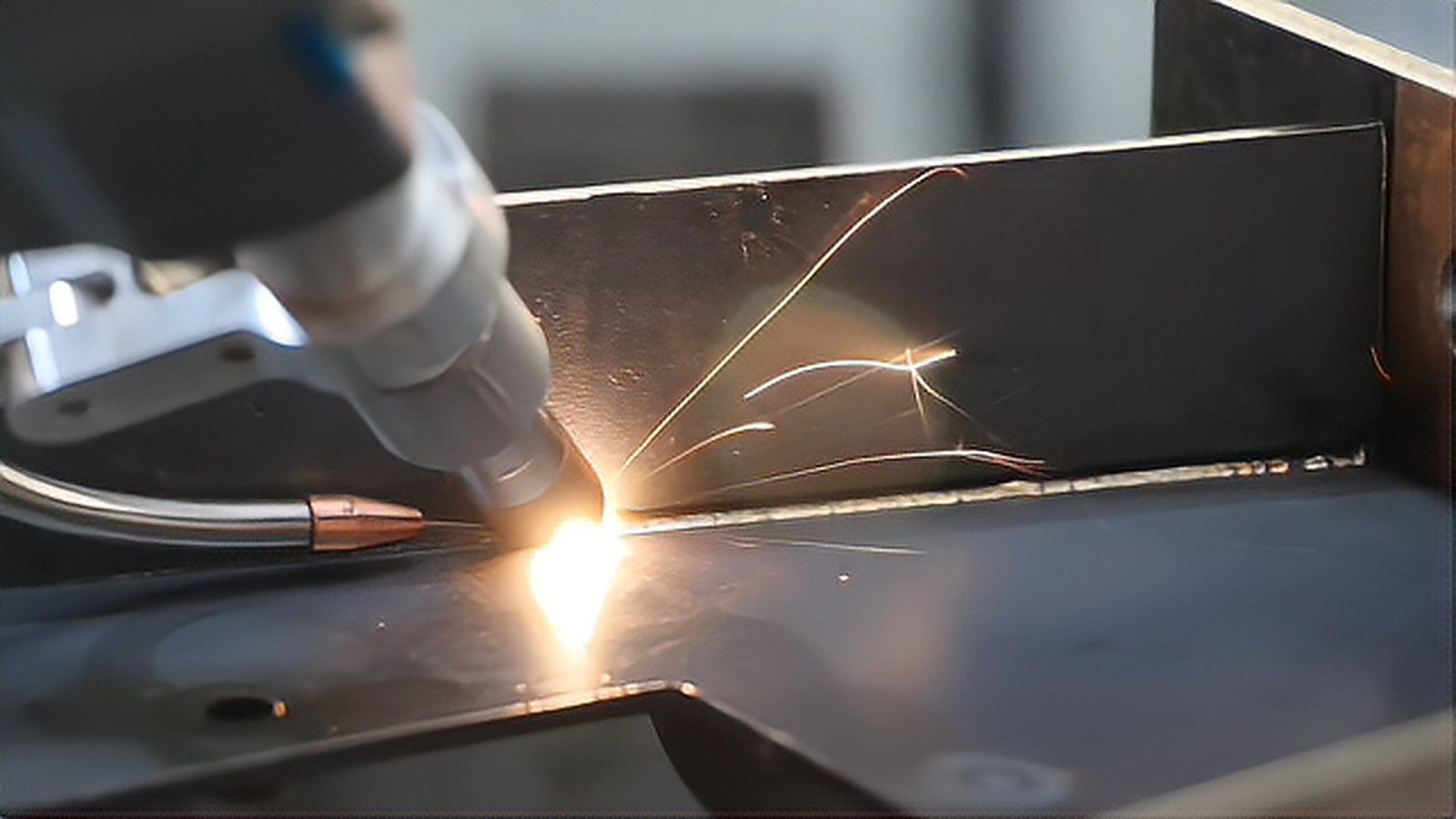
Wobble Welding: When Beam Oscillation Helps
Wobble laser welding sweeps the focused beam through a small repeating pattern while the part or the optics travel…
How to Specify a Laser Welding Cell: A Buyer Checklist
A laser welding cell specification should make two outcomes impossible, which are buying a machine that cannot hold…
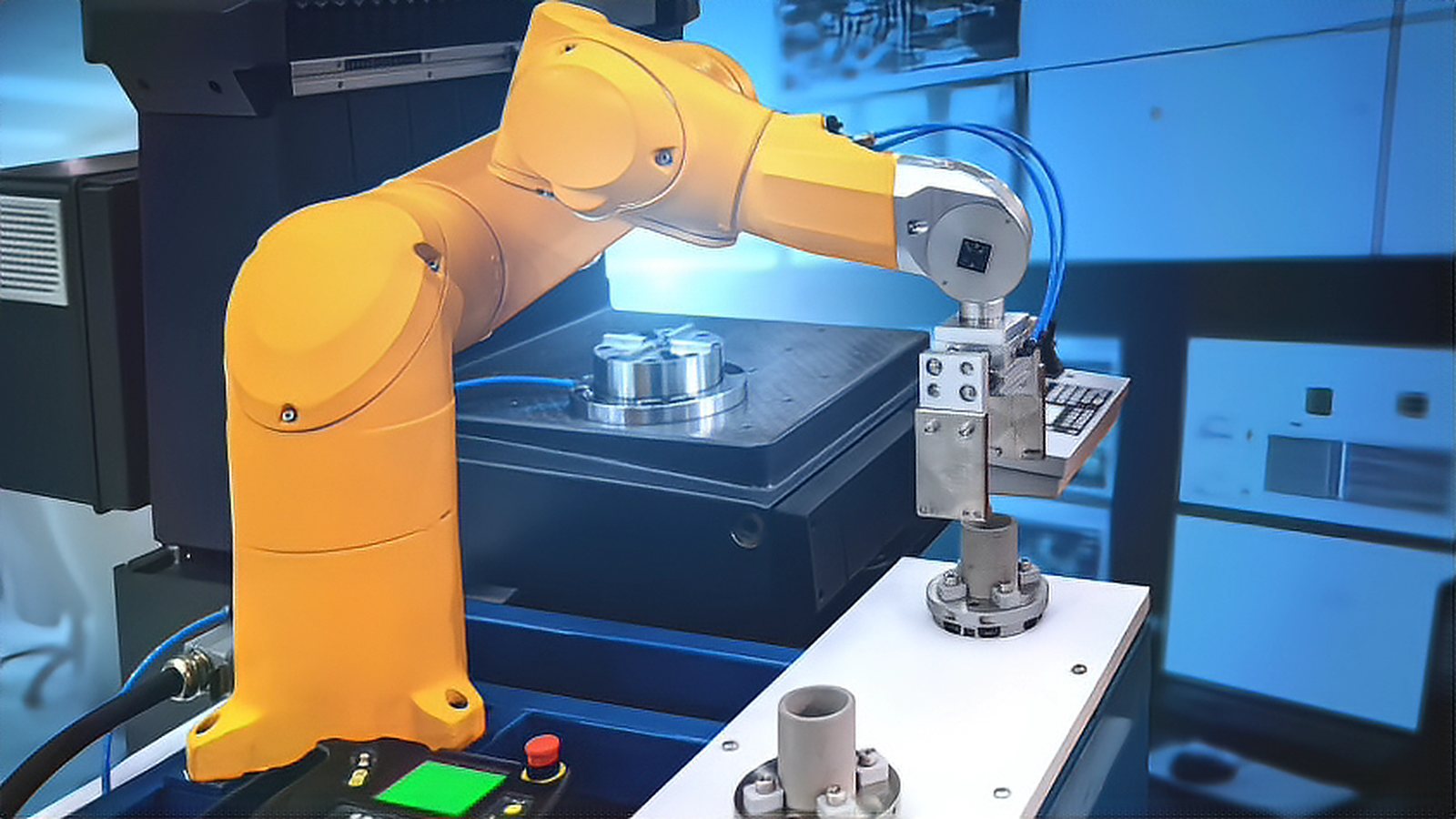
Galvo Scanners vs Gantry Motion in Laser Welding
Galvo scanner laser welding and gantry motion can produce the same weld, yet they lead to very different cells, cycle…
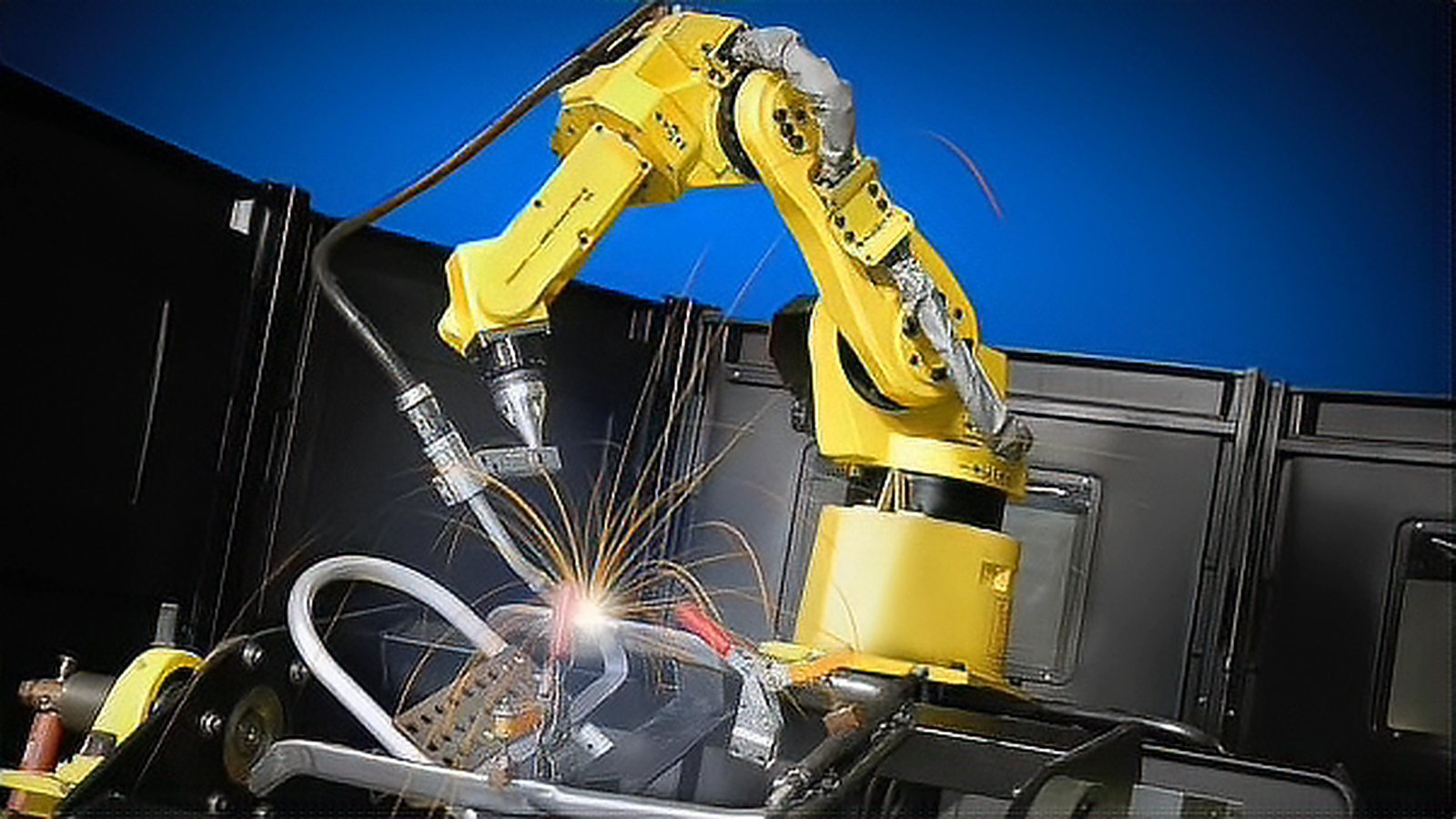
Laser Welding vs MIG Welding: Choosing the Right Process
The choice between laser welding vs MIG welding comes down to four practical questions rather than to which process…
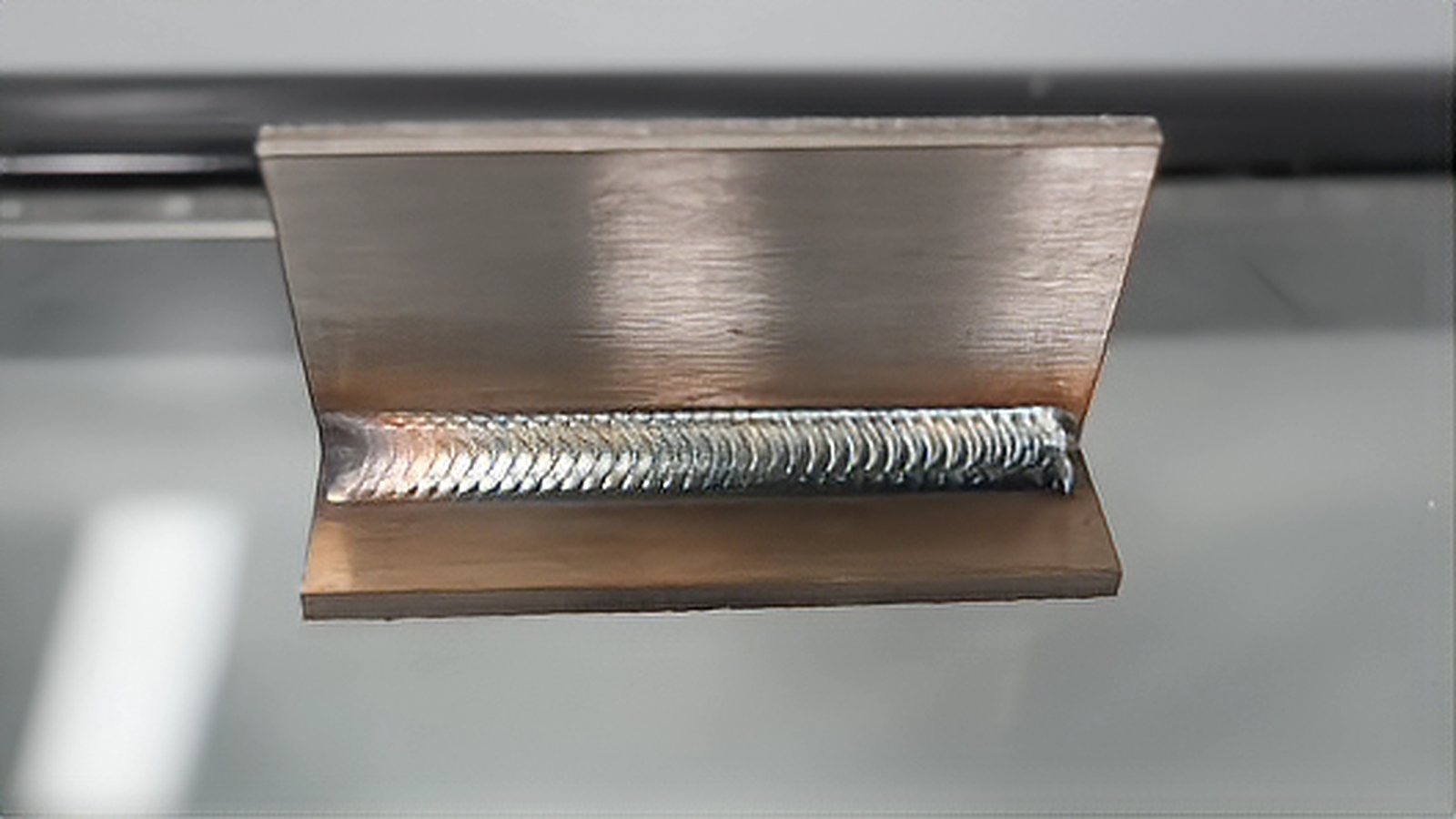
Laser Welding Defects: Causes and How to Fix Them
Laser welding defects such as porosity, cracking, undercut and lack of fusion rarely have a single tidy cause, and…
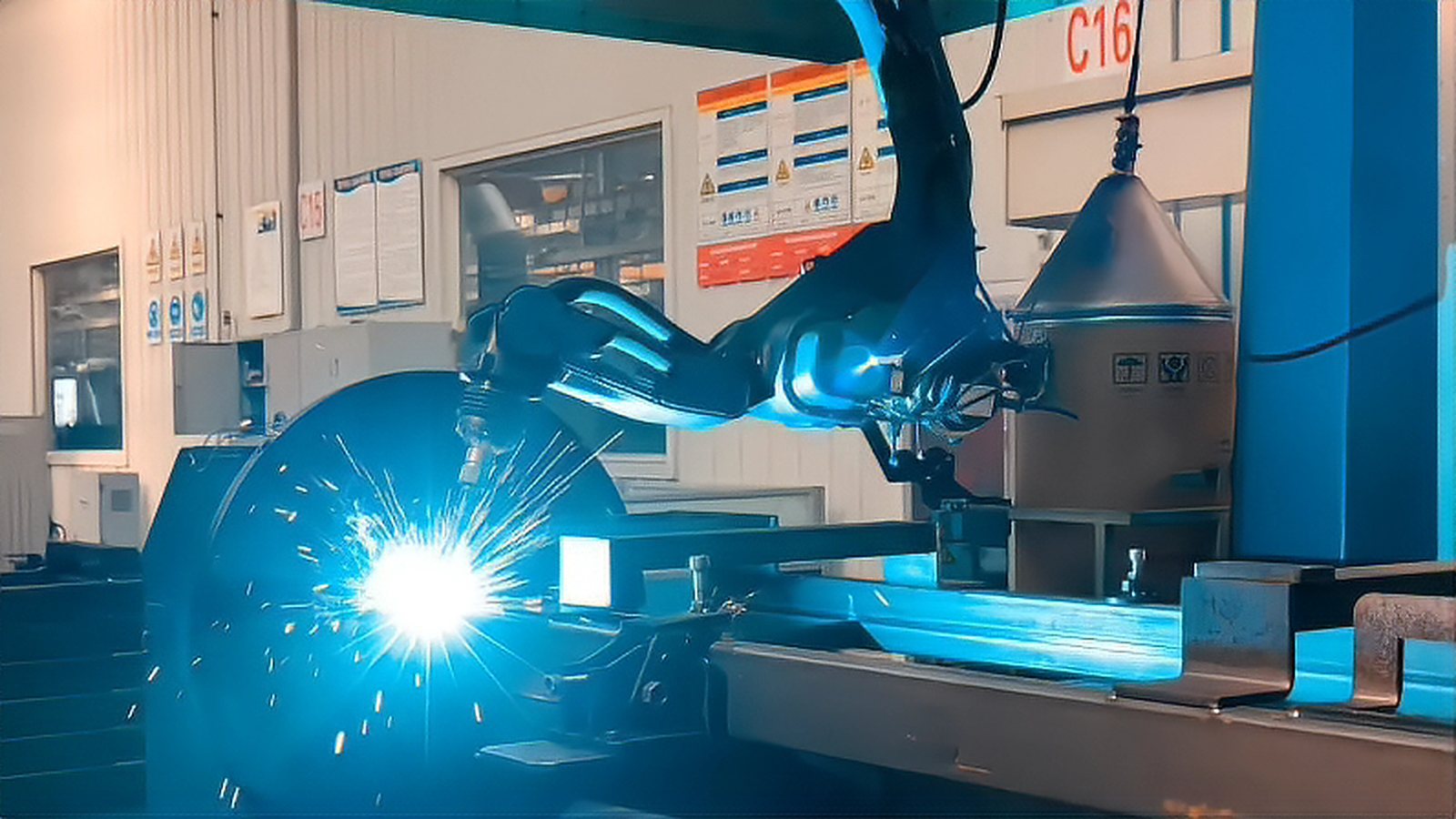
Laser Welding Safety: Enclosure, Eyewear and Interlocks
Laser welding safety is not a paperwork task that begins after the cell is commissioned, and treating it that way is…
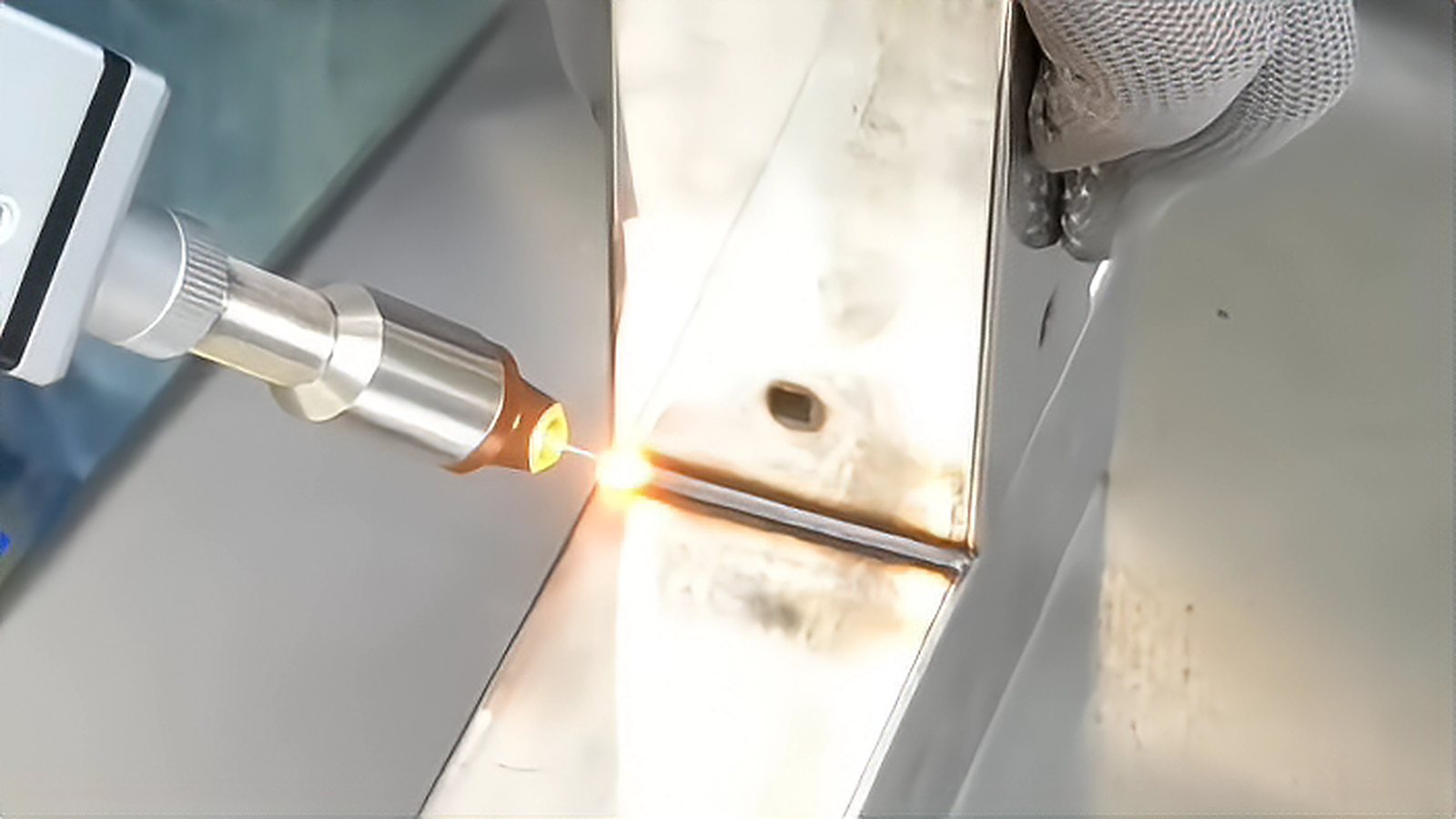
Fiber Laser Welding Parameters Explained: Power, Speed and Focus Offset
Fiber laser welding parameters decide whether a joint is sound long before any robot motion is programmed, and the…